Craft & Handloom Futures
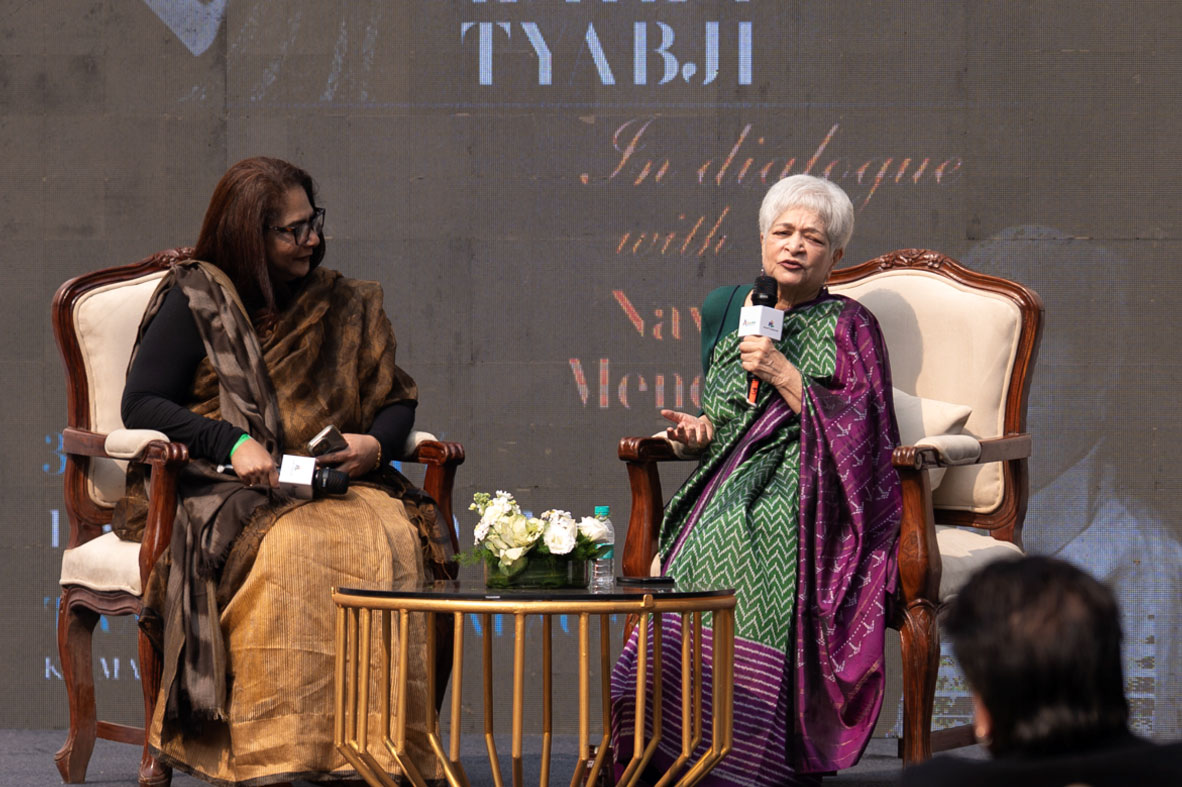
Laila Tyabji, in conversation with Navneet Mendiratta, reflected on how India’s craft traditions remain alive through skill, livelihood and contemporary relevance.
Watch Conversation →Rajasthan | West Bengal | Assam
Where Cultural Landscapes Converge
January 31st – February 2nd, 2026
Travancore Palace, New Delhi
The second chapter of Anant Samagam expanded the platform’s inquiry into cultural networks across India, bringing together practitioners, artistic practices and cultural traditions from Rajasthan, Bengal and Assam. Hosted at Travancore Palace in New Delhi, the chapter unfolded as a multidisciplinary encounter across visual art, fashion, photography, music, craft traditions, food cultures and cultural dialogue.
The chapter was inaugurated by Bose Krishnamachari, whose engagement
with India’s cultural institutions reflects the intellectual framework within
which Anant Samagam operates.
He was joined by Sharon Lowen and Laila Tyabji, respected voices in
performance traditions and craft advocacy.
Together they marked the opening of a platform that approaches culture
not as spectacle, but as living practice.
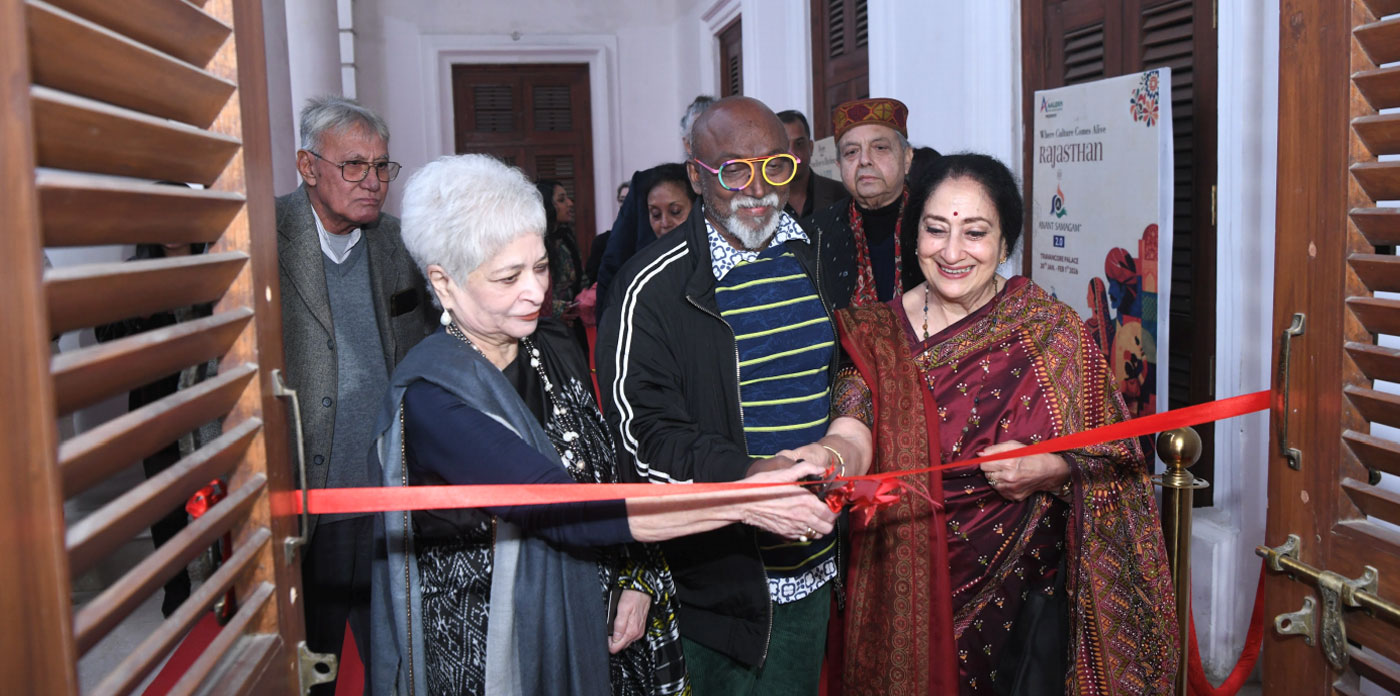
Across art, craft, performance and dialogue, the chapter brought together practitioners whose work reflects the living diversity of India’s cultural traditions.
Visual art within the chapter explored material, memory and landscape through painting, installation and experimental textile work. The section was presented in collaboration with Sameksha Gallery, curatorial partner for Visual Art, and Mighty Muse, curatorial partner for Installations.
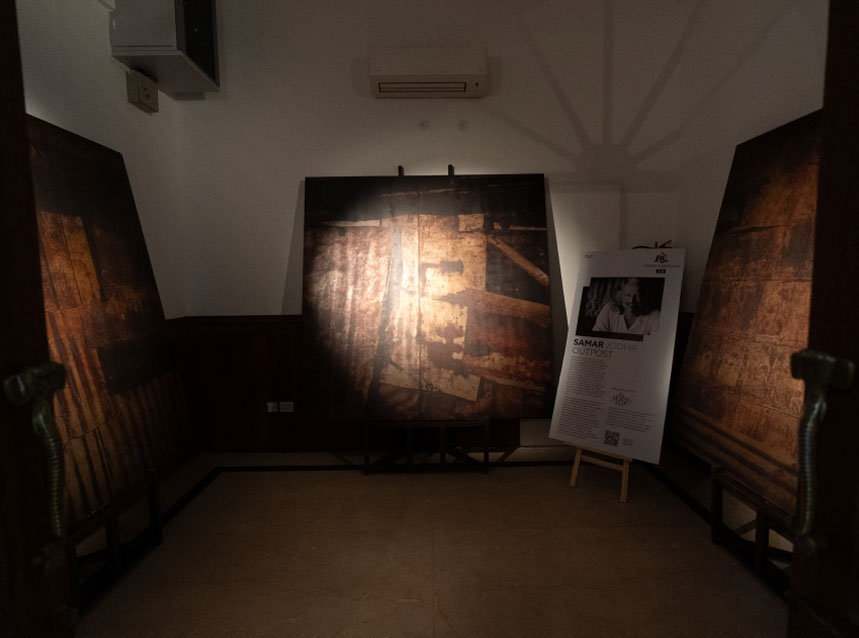
Outpost — a metal installation reflecting on cultural resilience in a world shaped by commercial forces
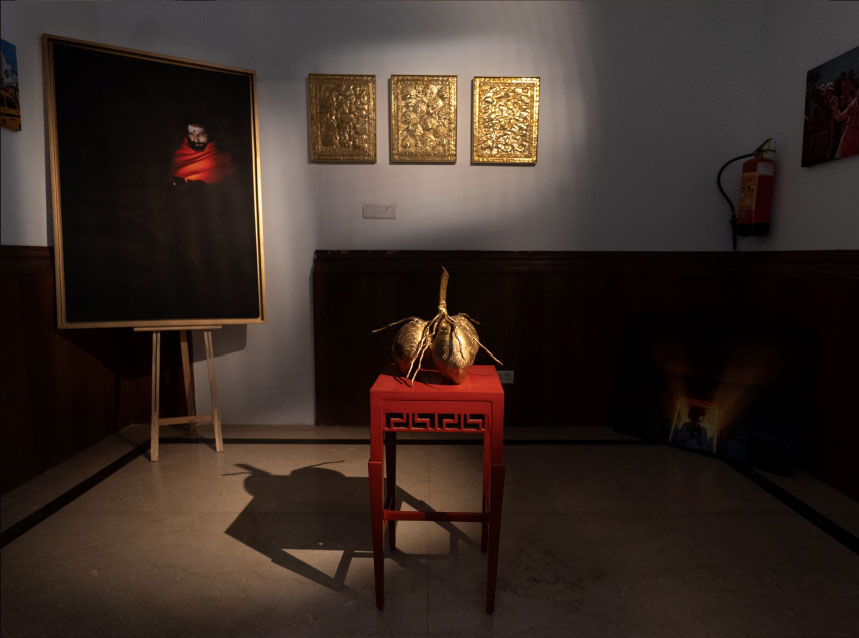
Drawing from indigenous cosmologies of Arunachal Pradesh, his works evoke ancestral symbols and ritual forms that transcend regional boundaries
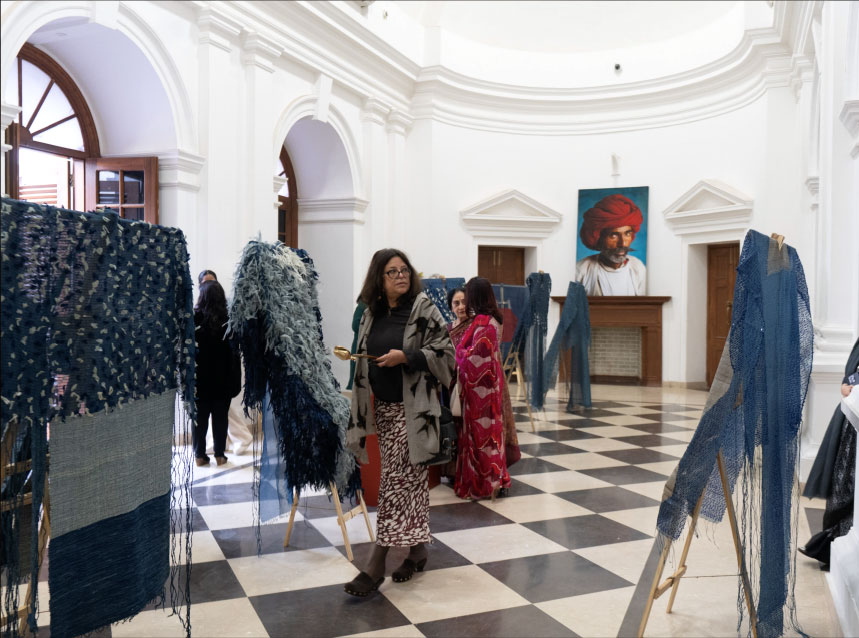
Weftscapes reimagines Jamdani weaving through experimental materials and organic indigo dyeing
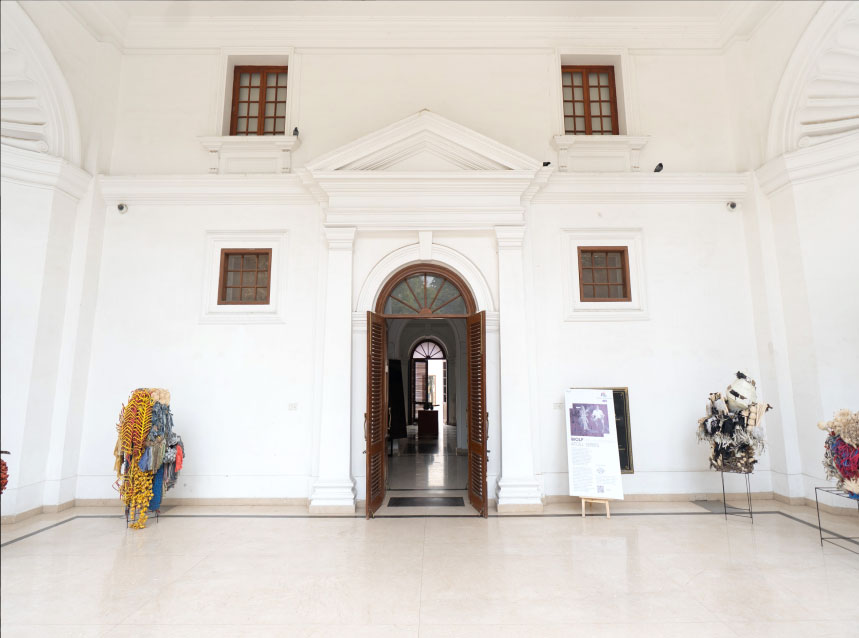
The Jaipur-based collective creates installations from recycled materials exploring memory, regeneration and environmental consciousness.
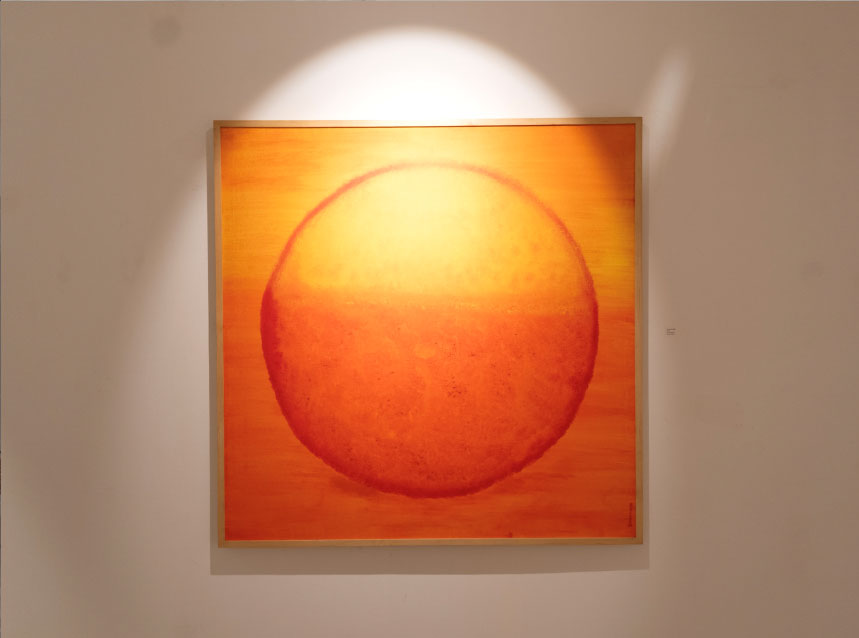
A series of paintings tracing cultural memory across landscapes — from Assam’s rising light to Bengal’s fertile earth and the stillness ofRajasthan’s desert.
Additional works and installations presented through curatorial collaborations with Sameeksha Gallery (Visual Art) and Mighty Muse (Installations), extending the chapter’s exploration of material, memory and landscape.
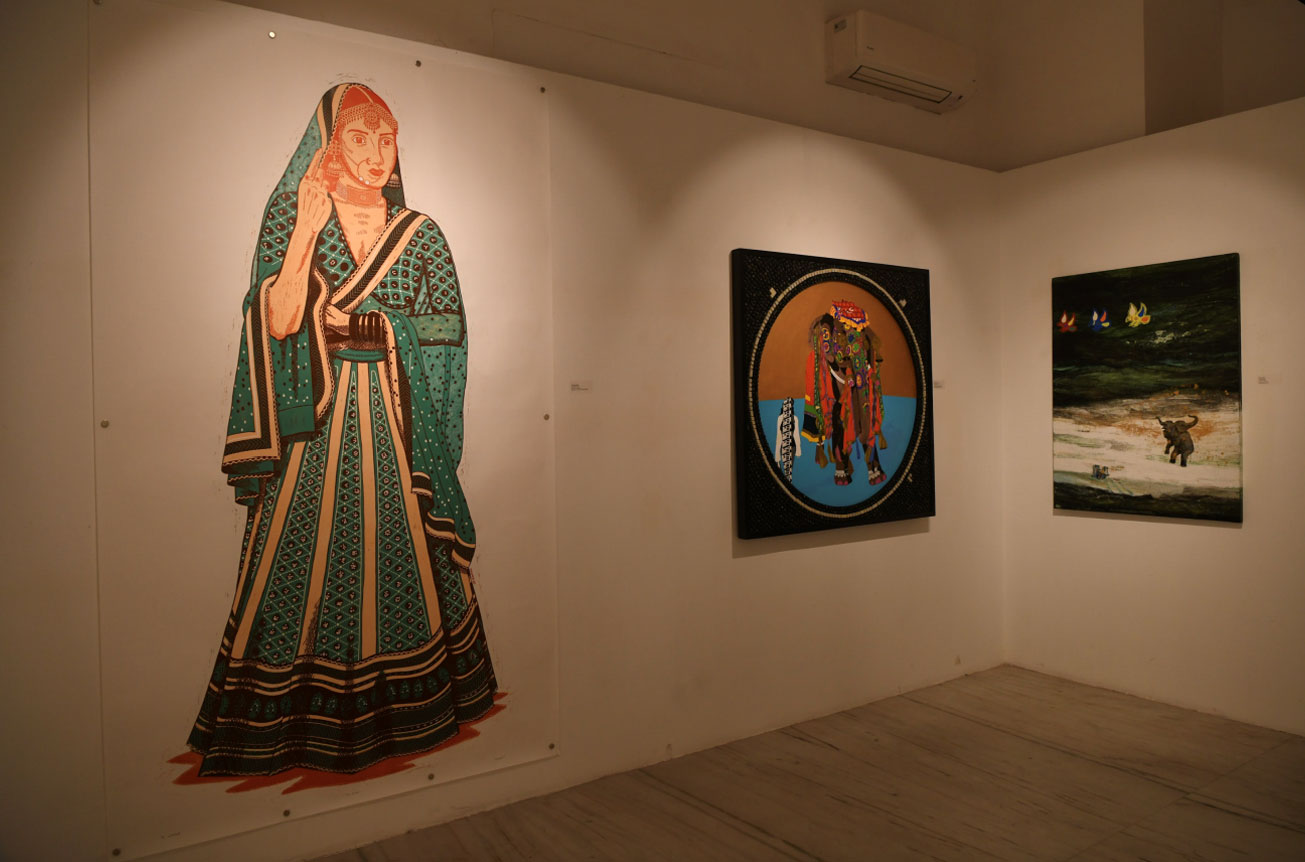
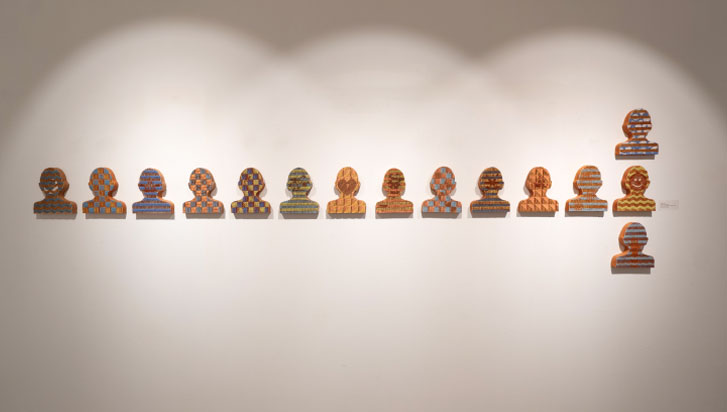
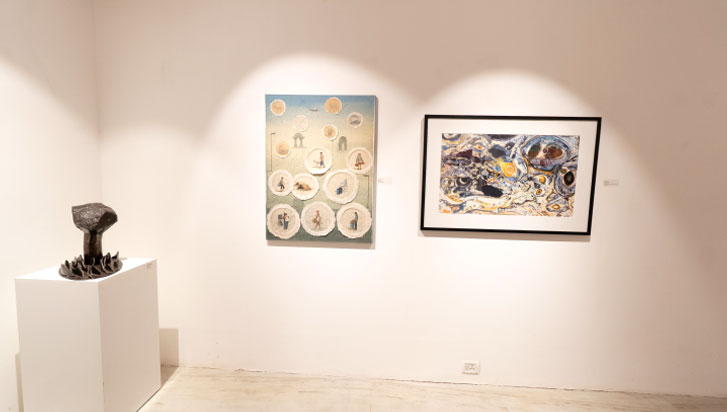
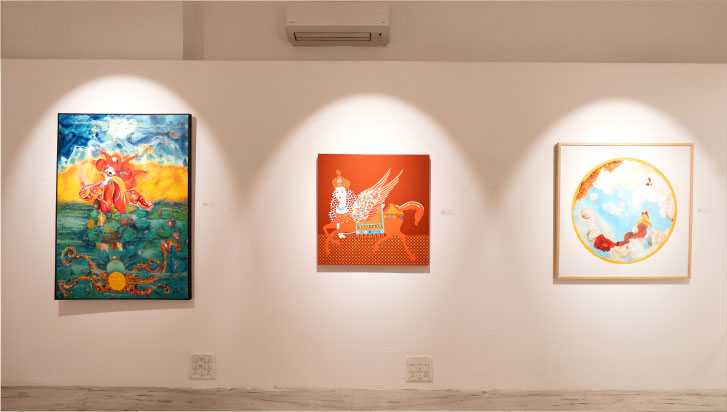
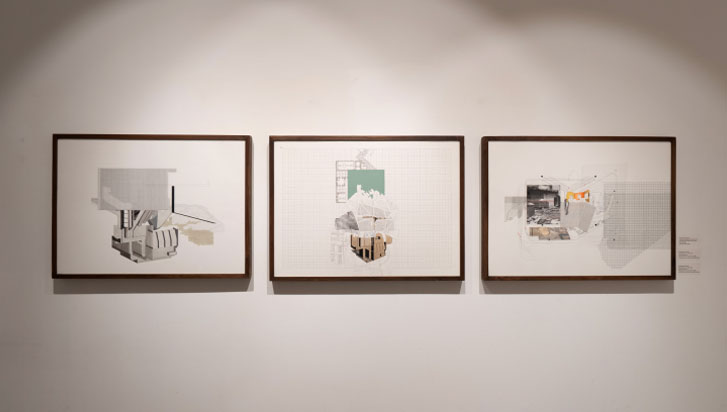
Together, these practitioners and their works shaped the visual dialogue of the chapter.
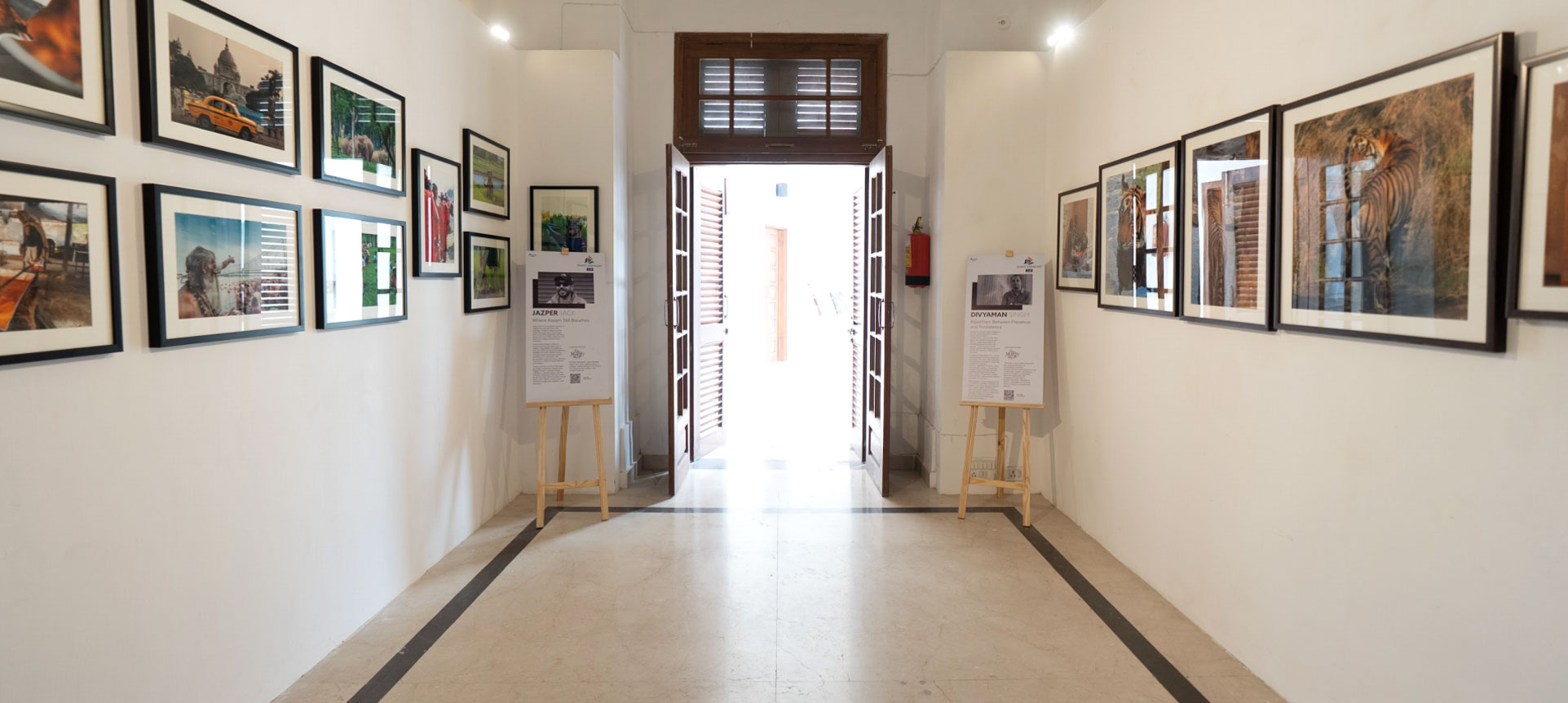
Photography within the chapter documented landscapes, communities and everyday cultural life across regions.
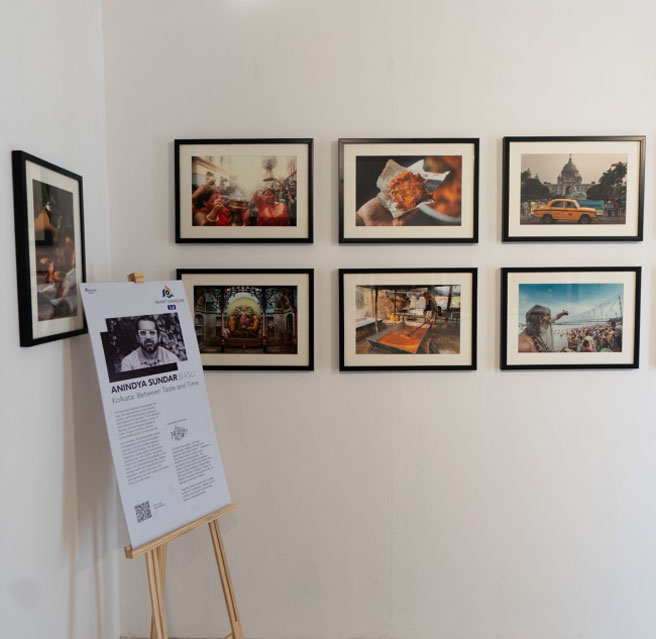
Observing Bengal's everyday worlds from kitchens and markets to the craft of nolen gur makers.
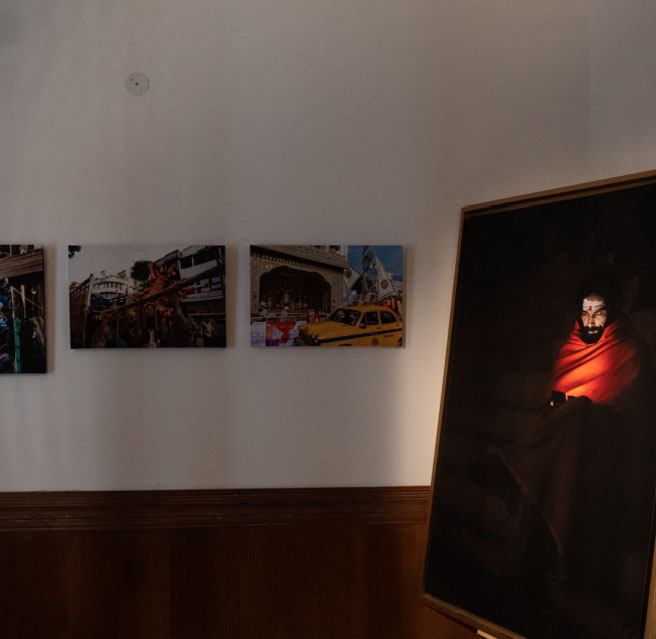
Photographs moving quietly across Rajasthan, Kolkata and Assam — allowing culture to unfold without spectacle.
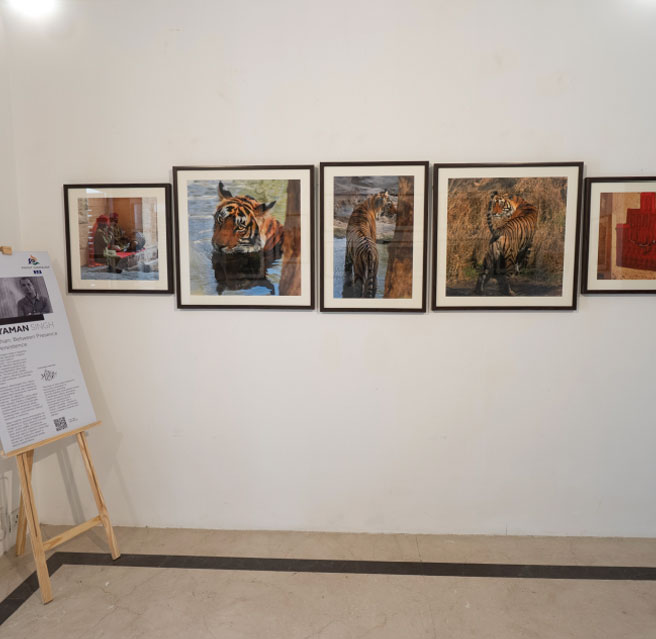
A painter’s photographic gaze exploring wildlife, architecture and lived landscapes across Rajasthan
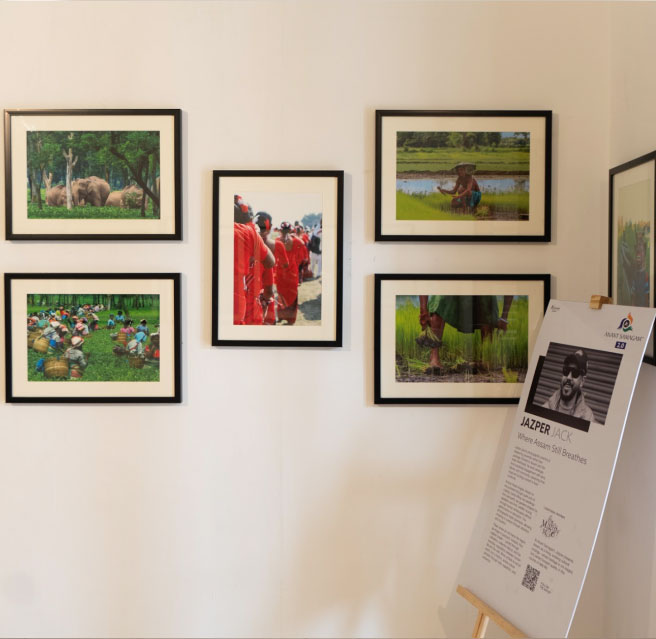
Documenting the fragile coexistence of people, labour and ecology across Assam and Northeast India.and lived landscapes across Rajasthan.
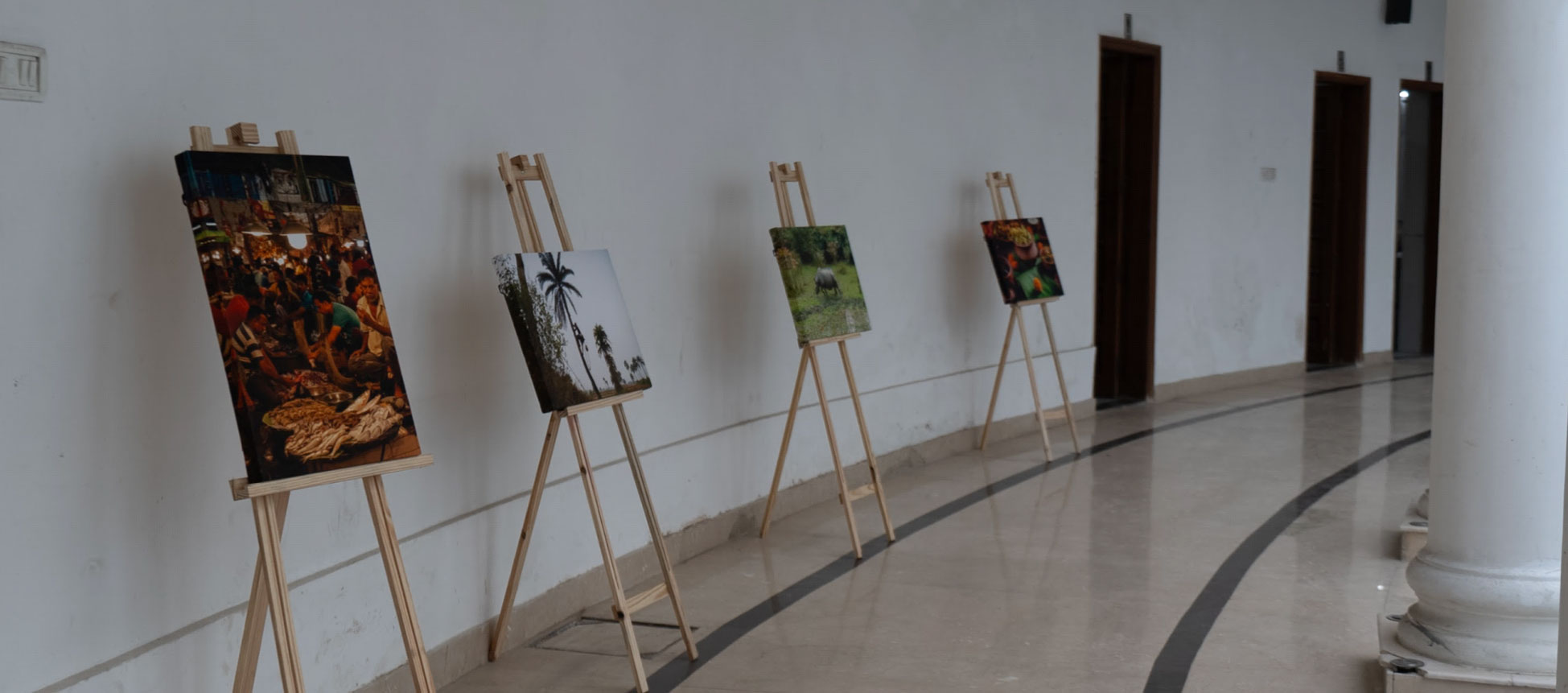
Together, these photographic works documented the cultural landscapes through which the chapter unfolded.
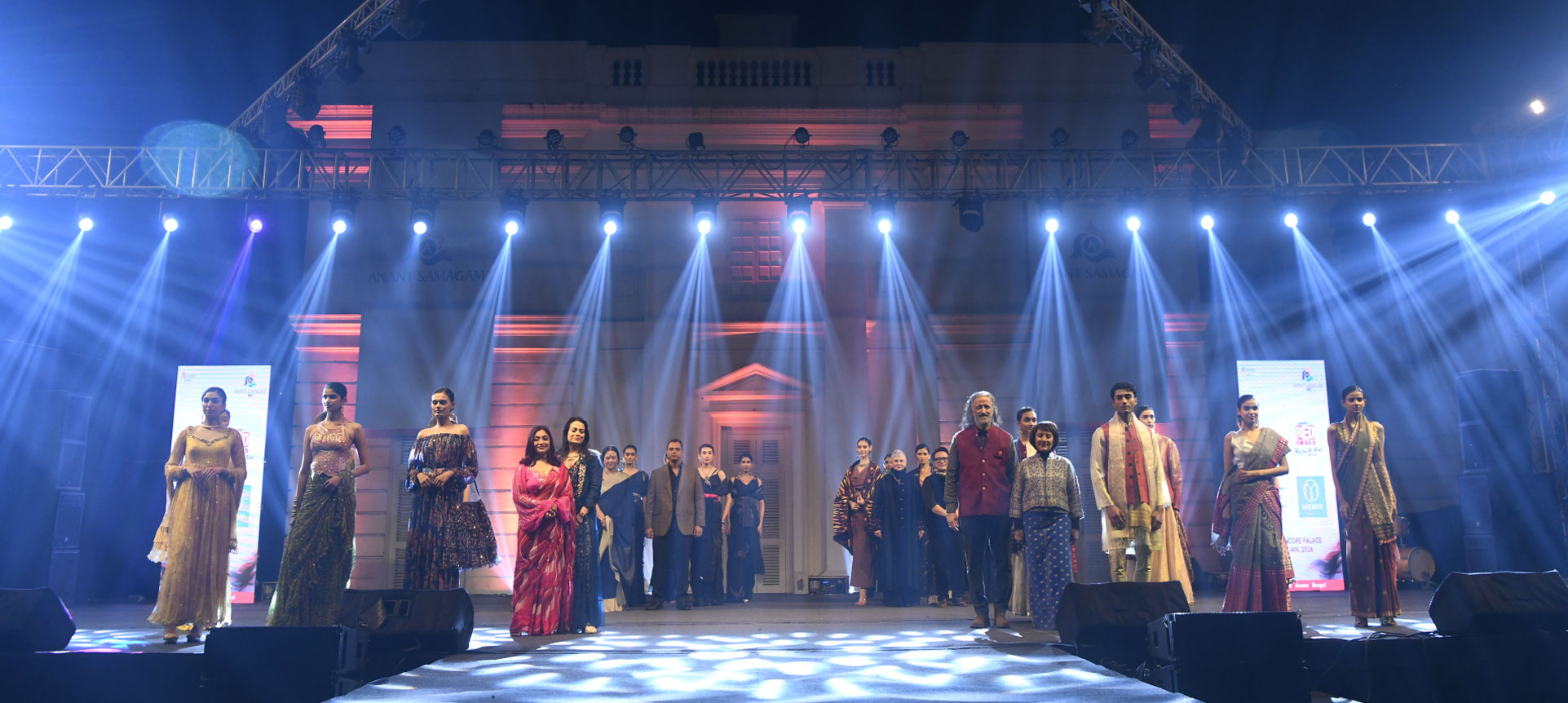
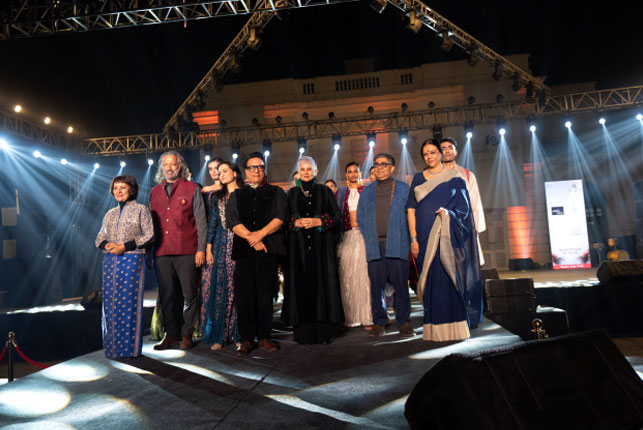
Fashion within the chapter unfolded as a dialogue between craft traditions and contemporary couture.
Designers working across Rajasthan, Bengal and Assam brought textile memory into motion - from handwoven silks and Jamdani narratives to fluid silhouettes that carry regional craft vocabularies onto the runway.
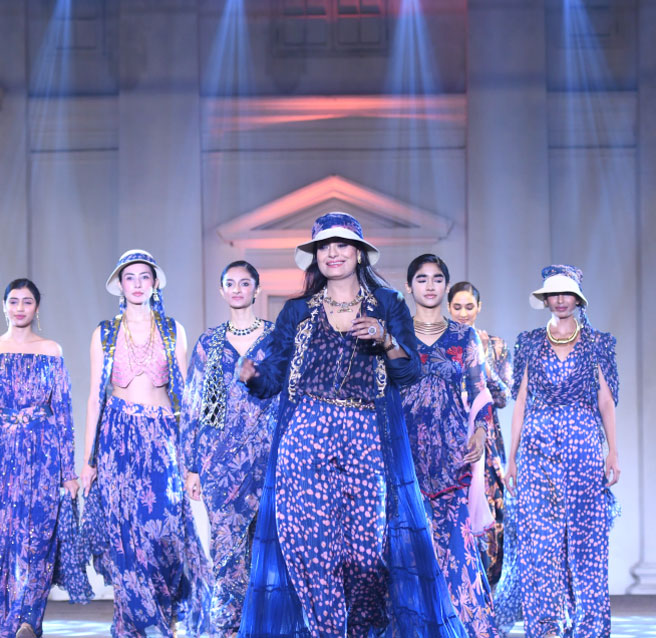
Rooted in Rajasthan’s textile traditions, Pallavi Jaipur’s collection explored the meeting point between handcrafted textiles and refined silhouettes — where colour, surface and narrative move into contemporary couture.
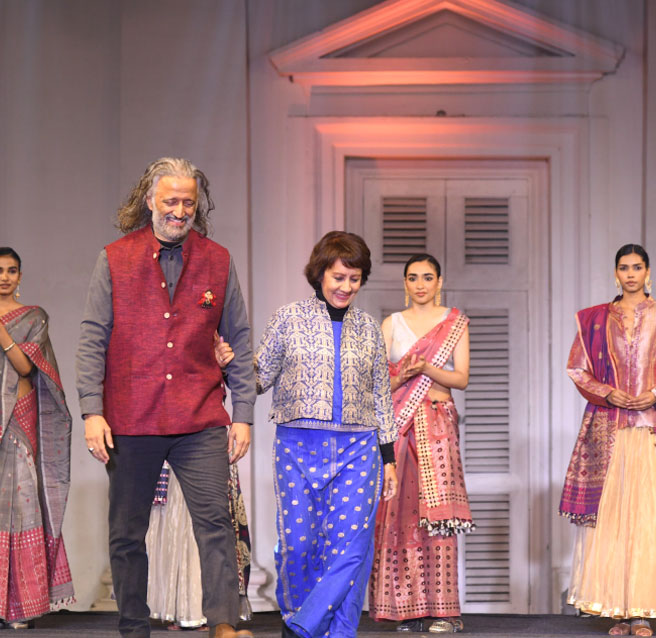
Jahnabi Phookan brought Assam’s weaving traditions to the runway through slow, sustainable textiles — presenting Eri, Muga and silk heritage shaped with deep respect for the hands that create them.
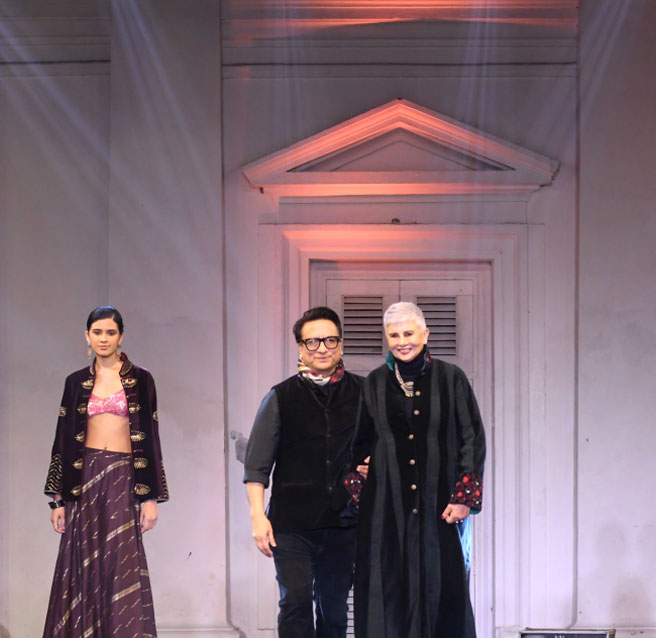
Sonam Dubal presented a couture edit bringing together the fluidity of Assamese textiles with the depth of Rajasthani craftsmanship — creating garments where regional traditions meet in a shared contemporary form
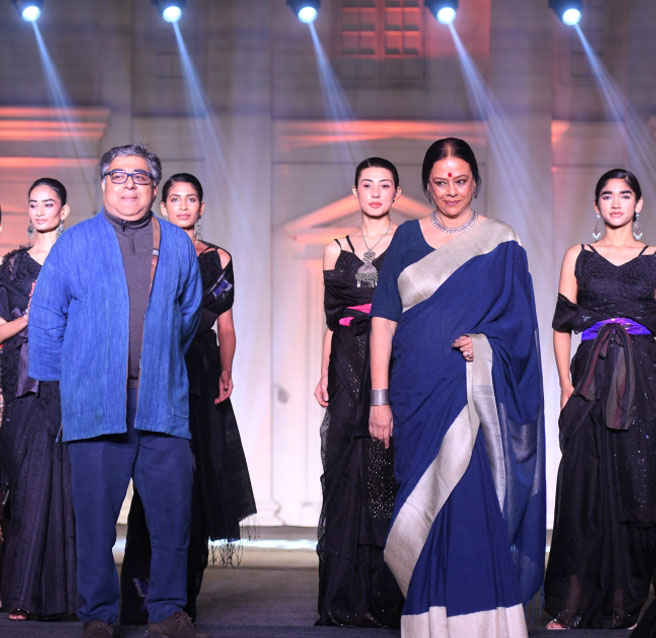
Through experimental materials and indigo processes, Bappaditya Biswas reinterpreted Bengal’s weaving traditions — where textile memory and craft discipline are continually renewed.
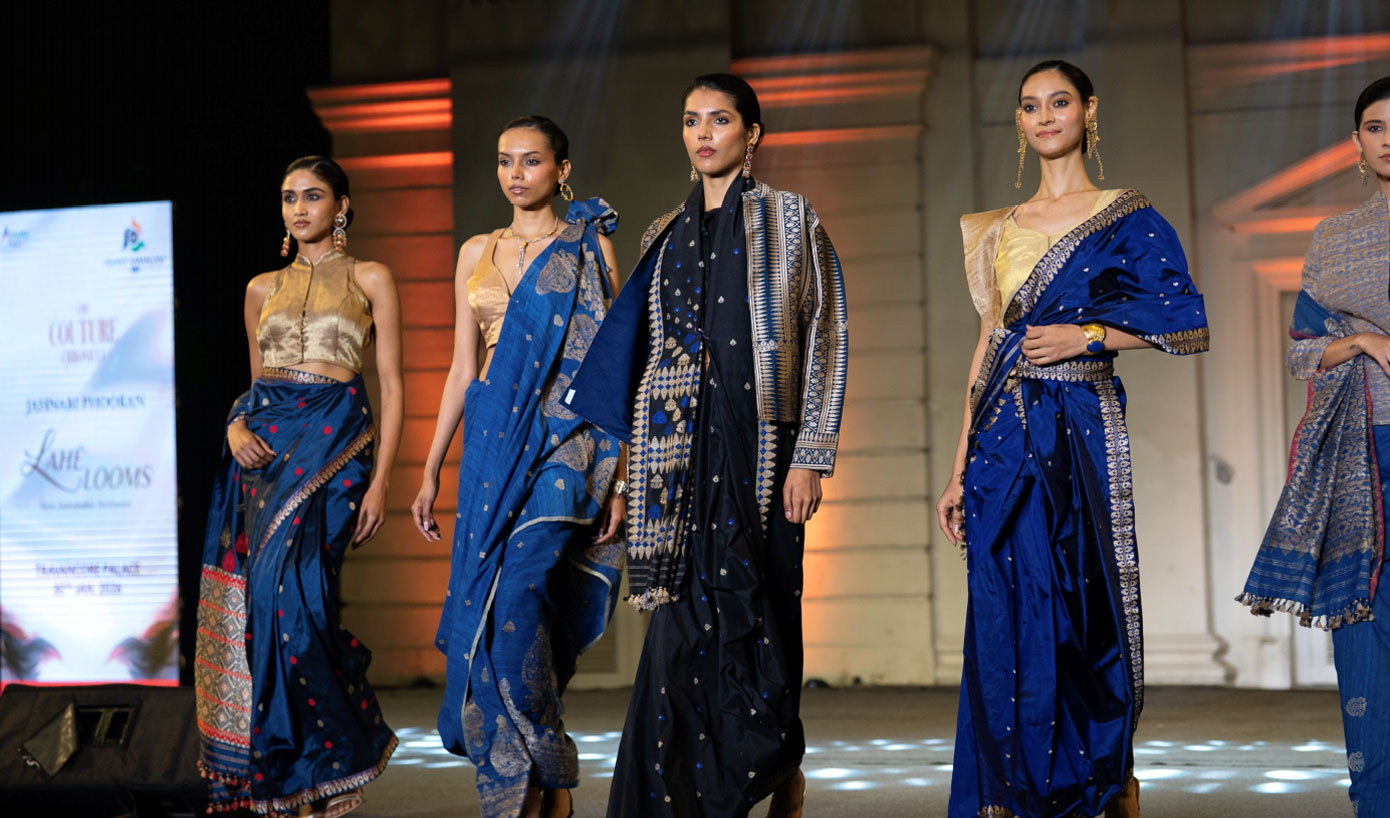
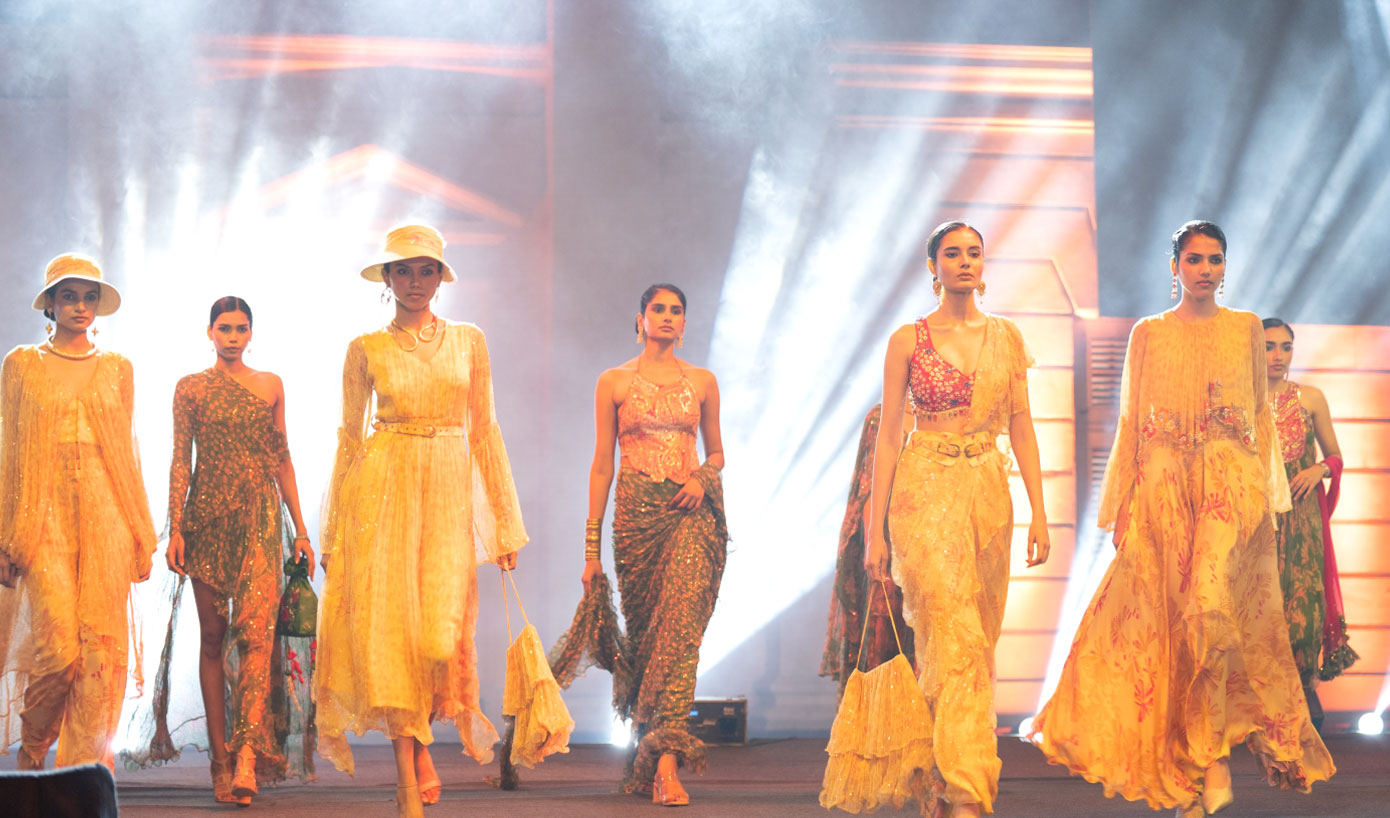
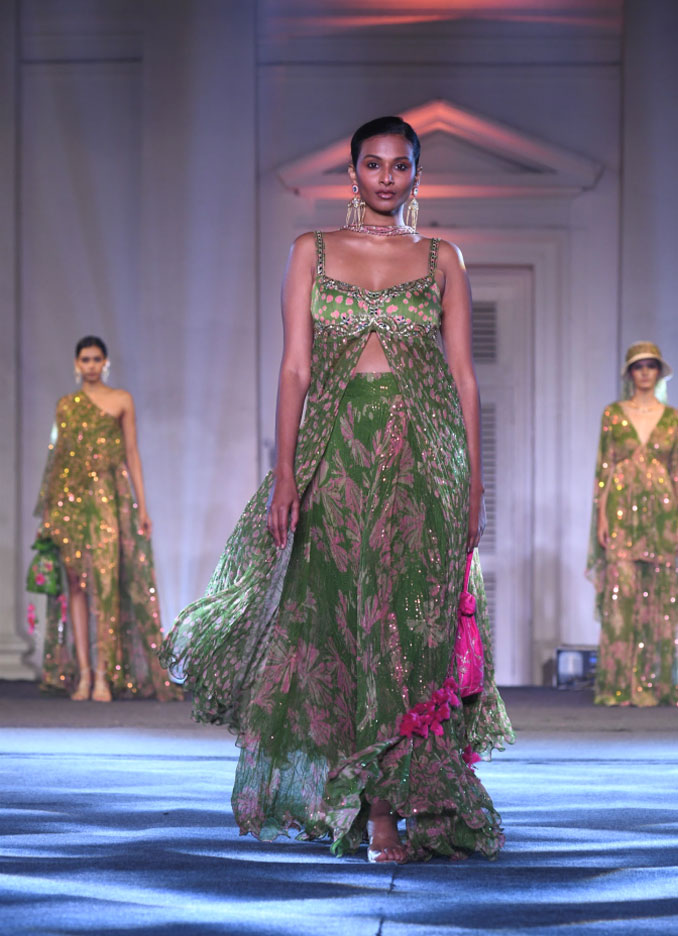
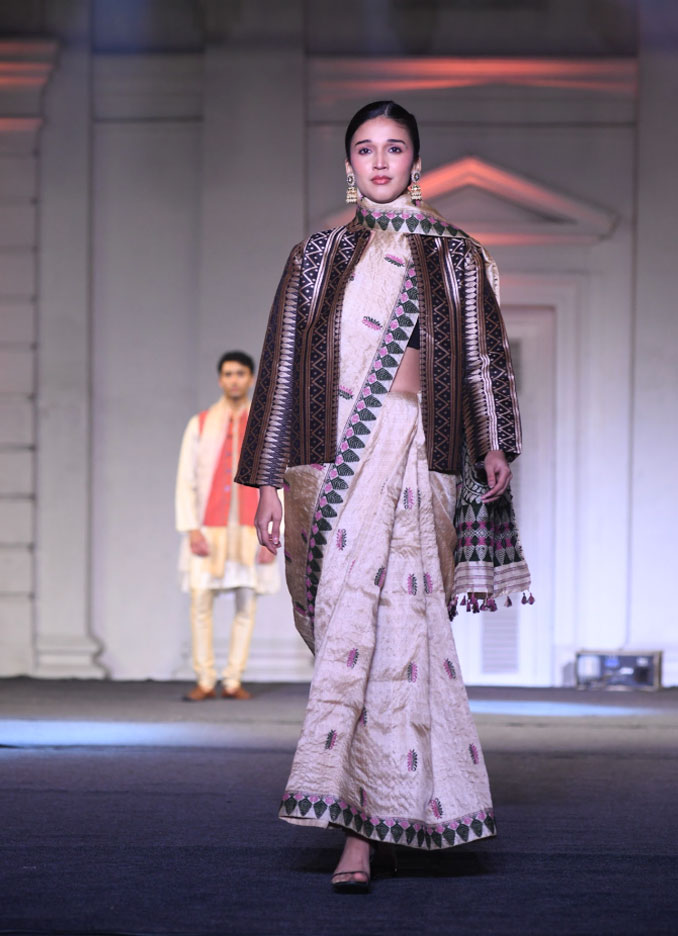
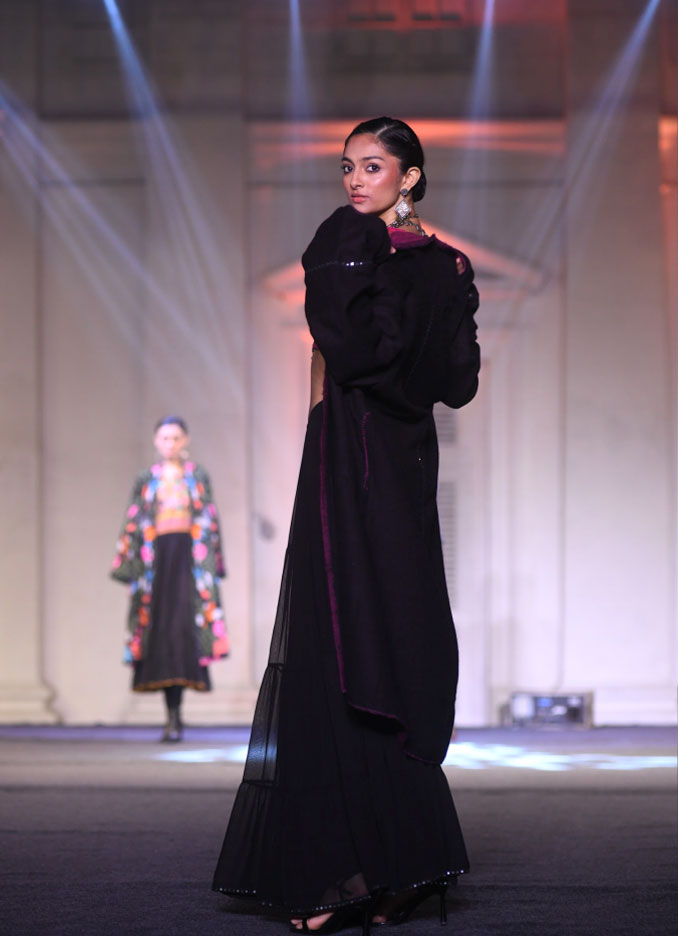
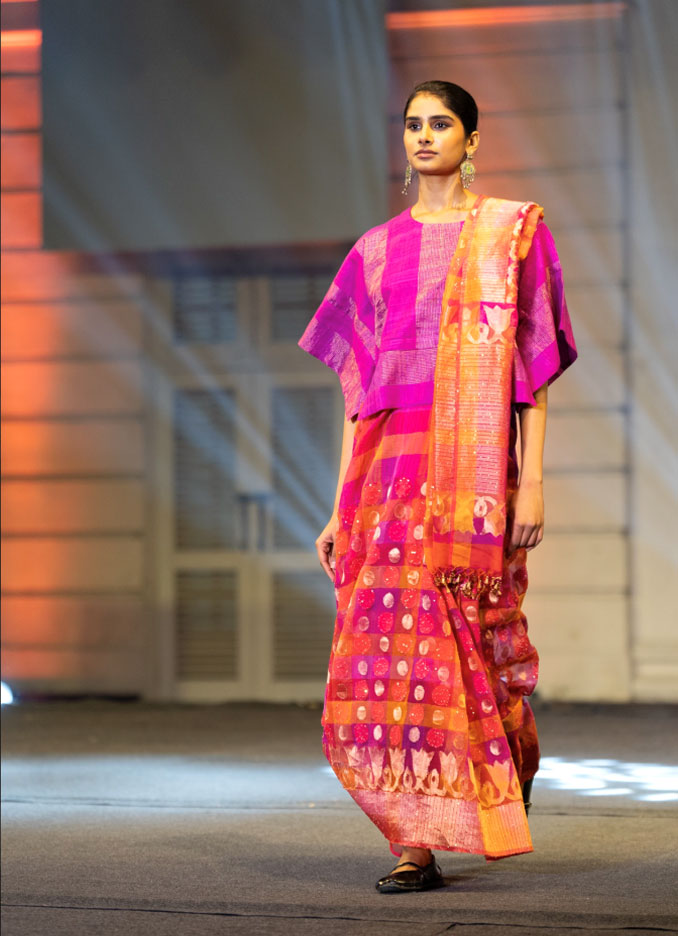
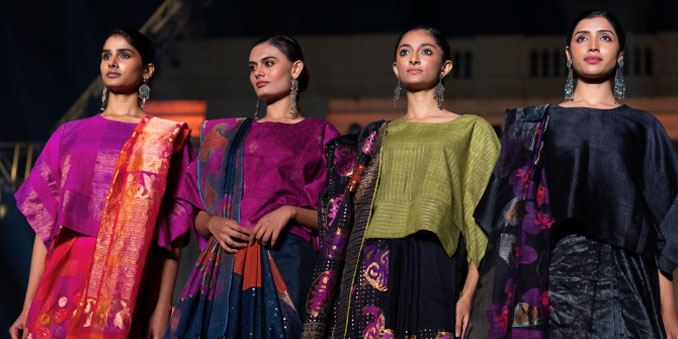
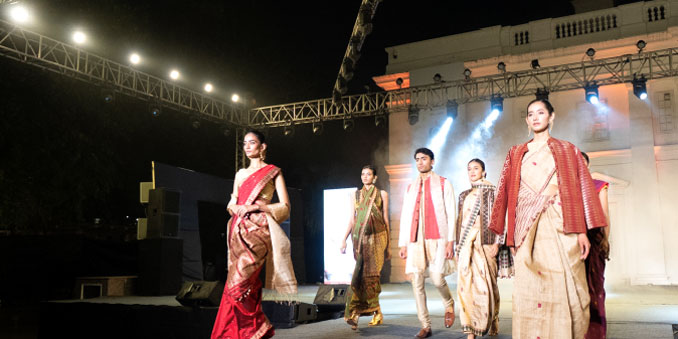
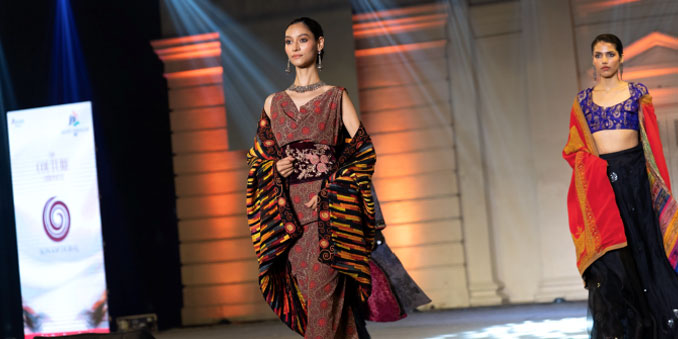
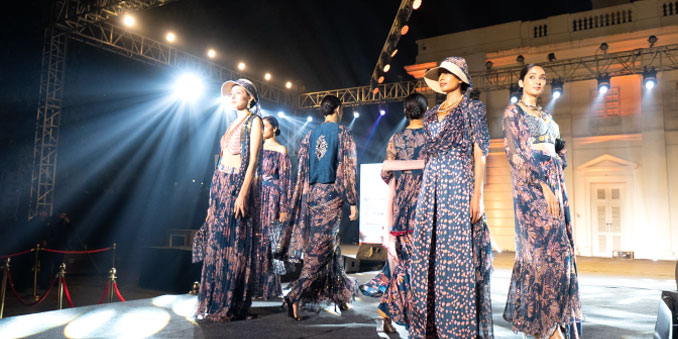
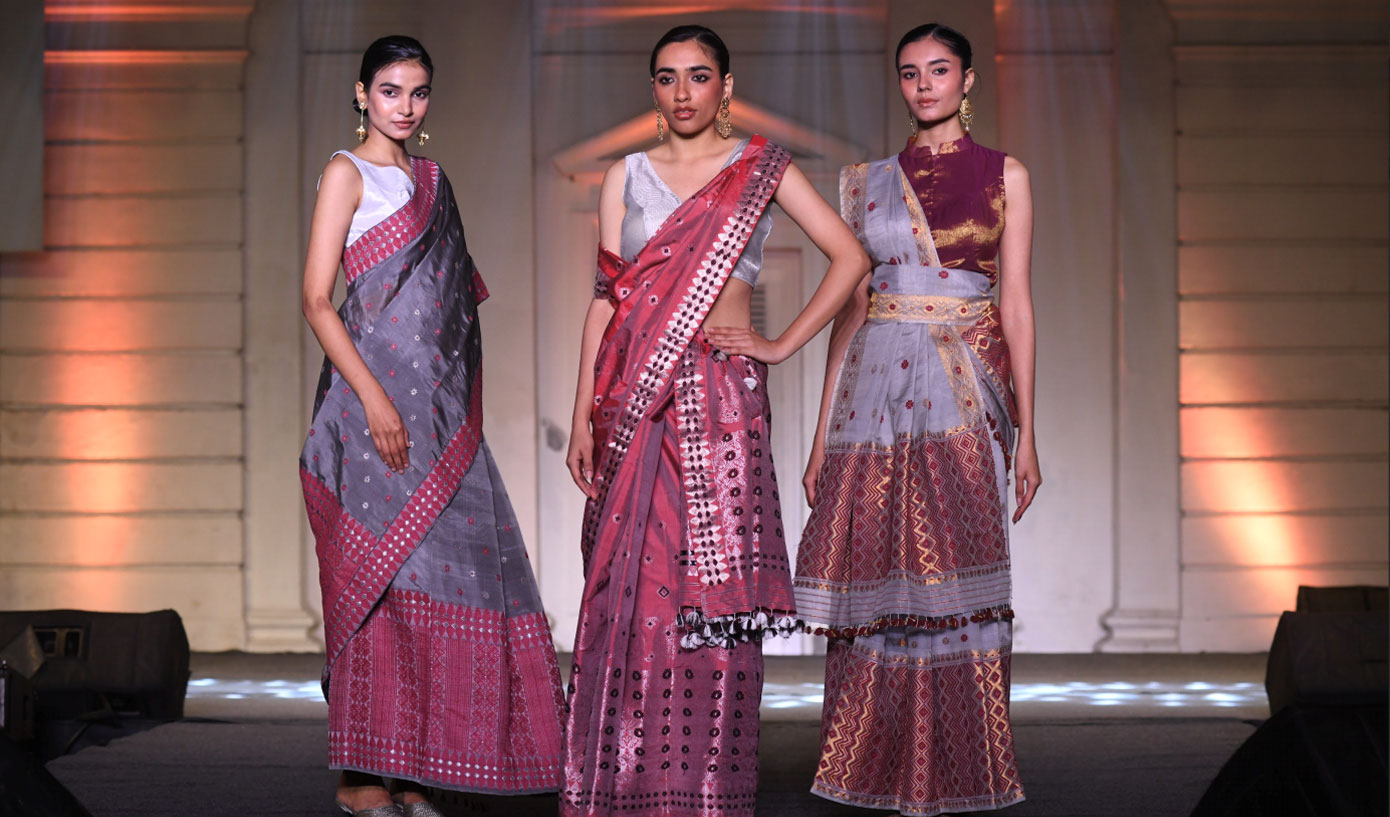
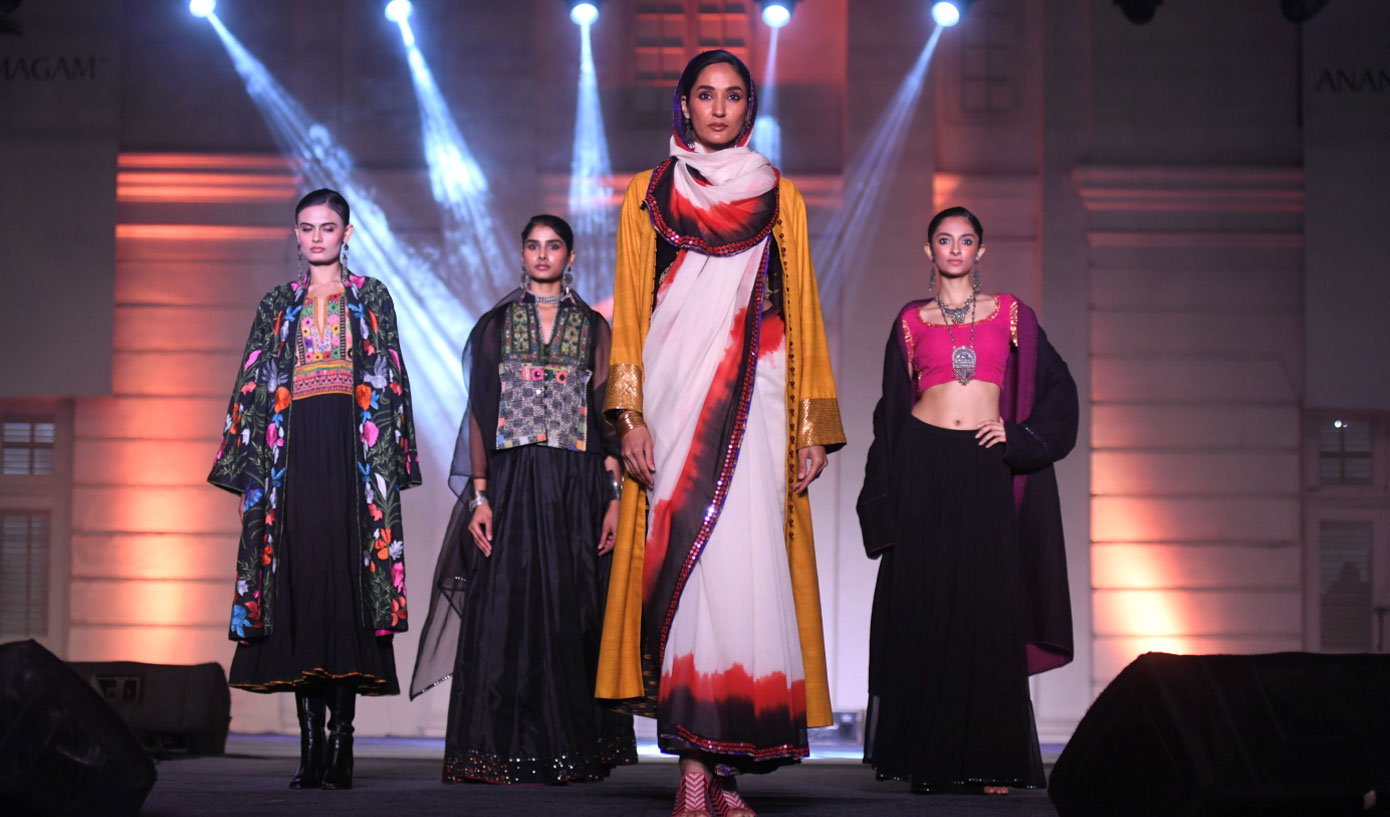
The fashion showcase was choreographed by Aalekh's movement direction and brought the collections into a seamless narrative where heritage textiles from different regions moved together in a single runway.
Jewellery for the showcase was presented in collaboration with Tista Bargekar, whose pieces extended the craft dialogue of the garments.
Across designers, textiles and movement, the showcase revealed how craft traditions continue to evolve - not as static heritage, but as living practice.
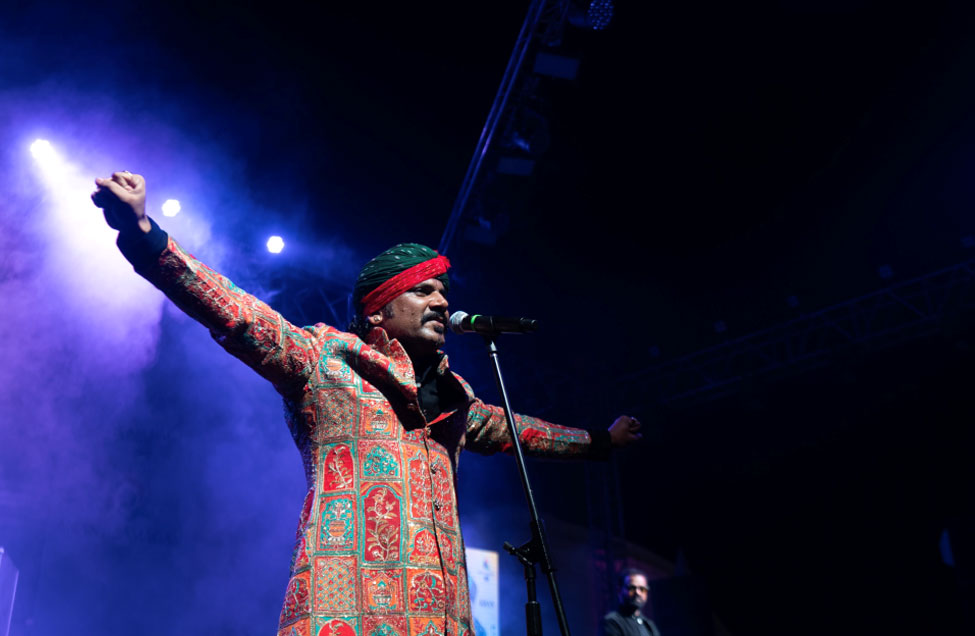
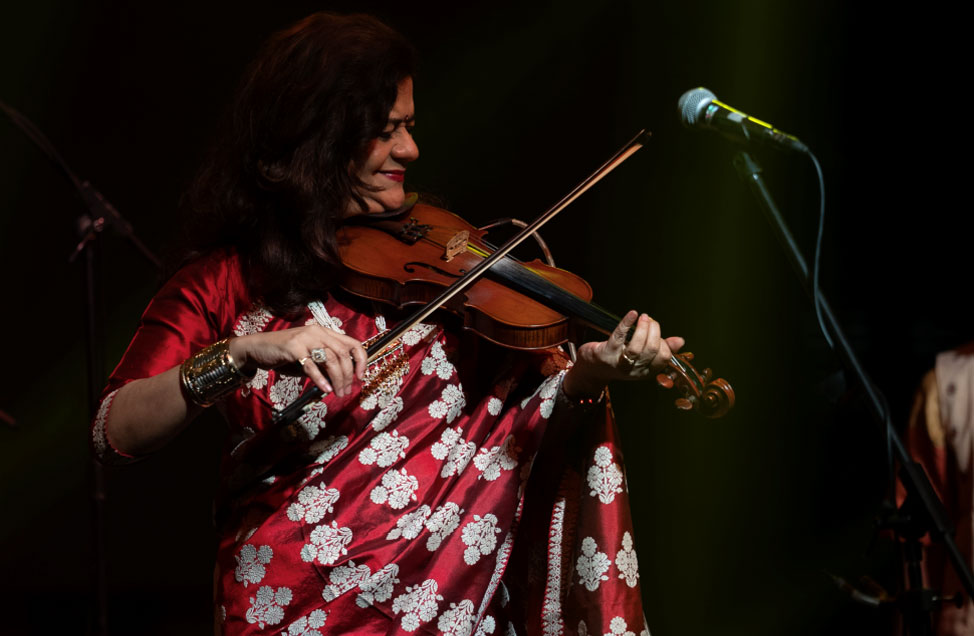
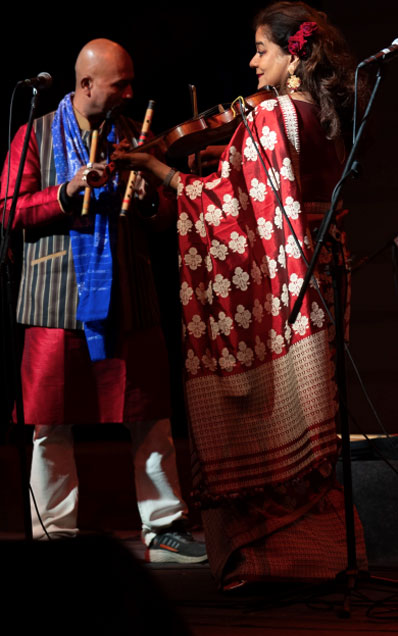
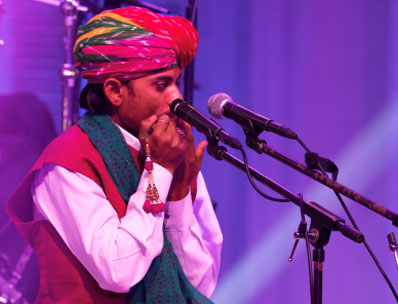
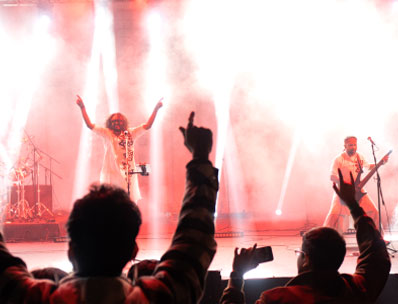
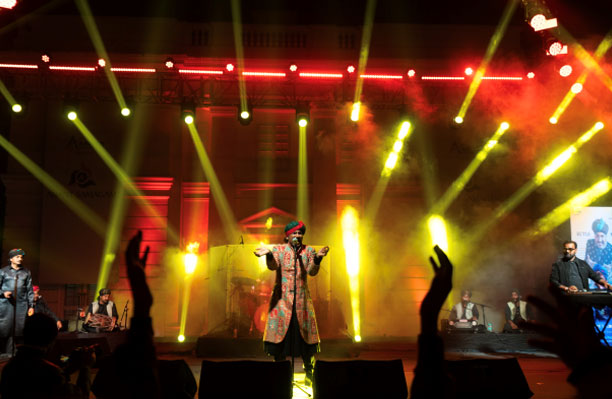
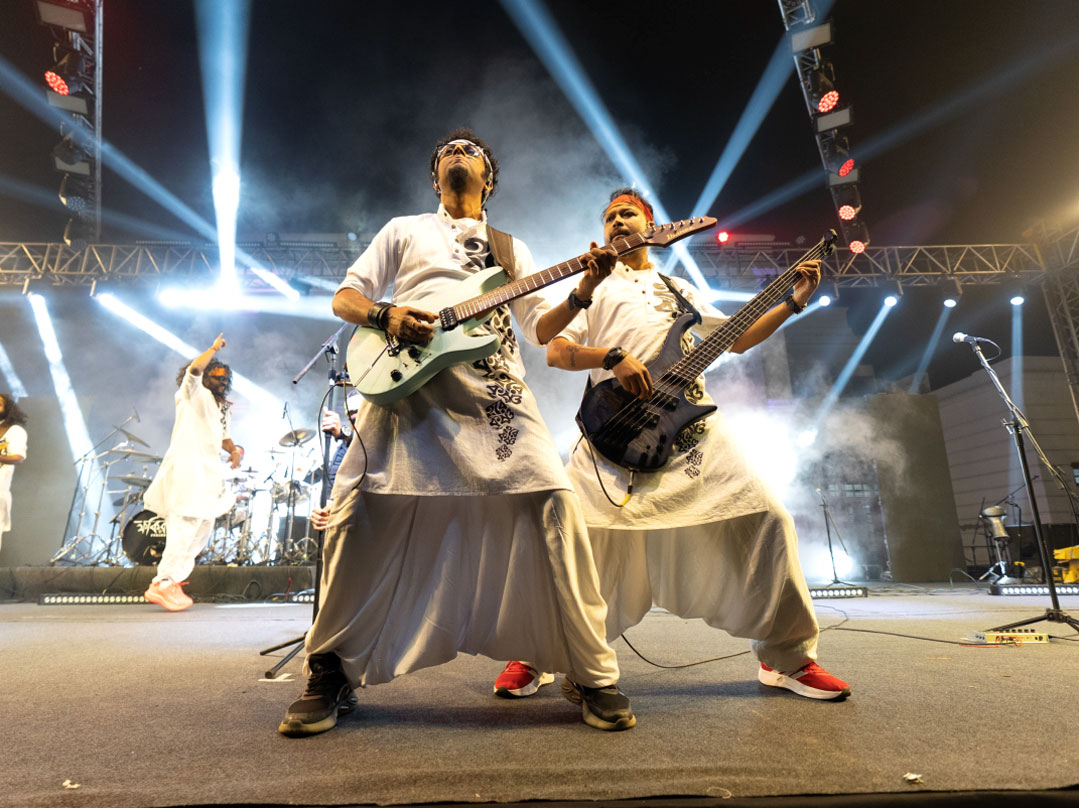
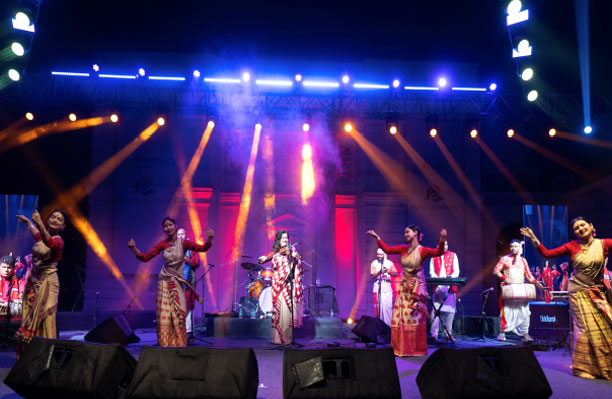
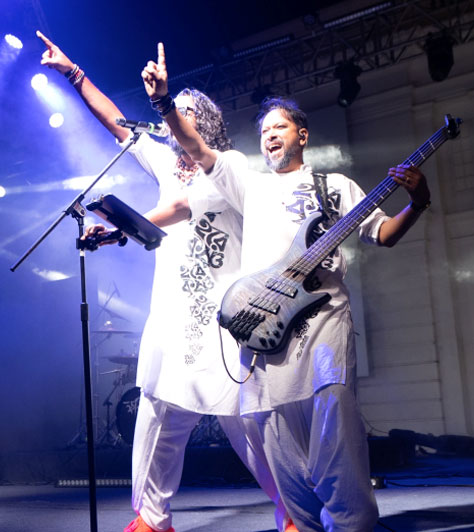
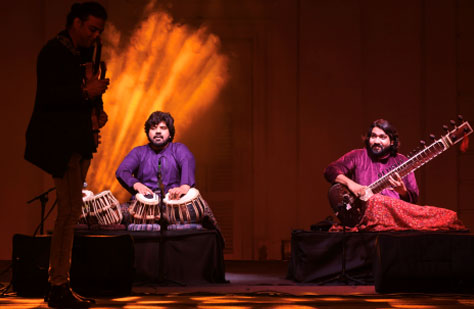
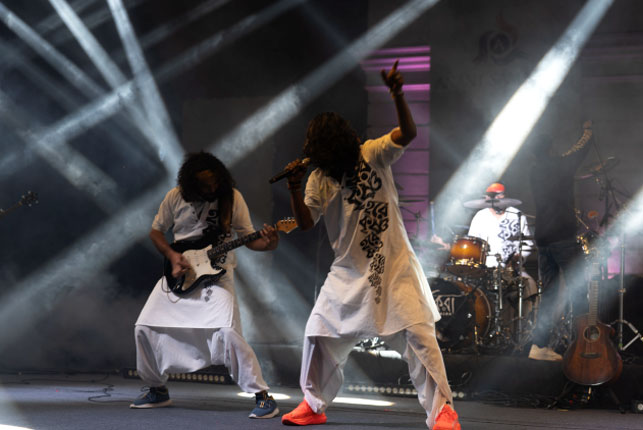
Music within the chapter brought together diverse sound traditions from Baul folk and Manganiyar vocals to classical fusion and contemporary ensembles.
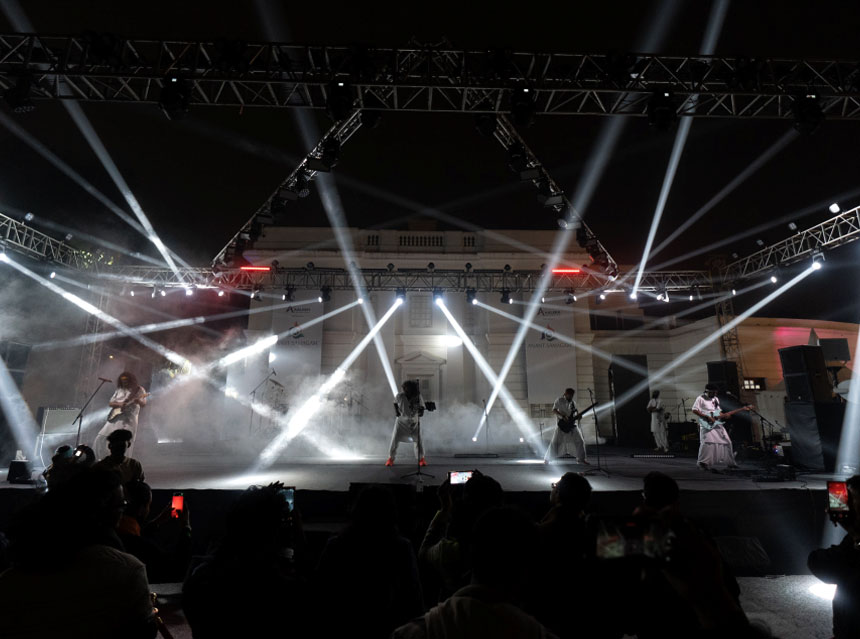
A contemporary folk band from West Bengal reinterpreting Baul and Bengali folk traditions through modern arrangements.
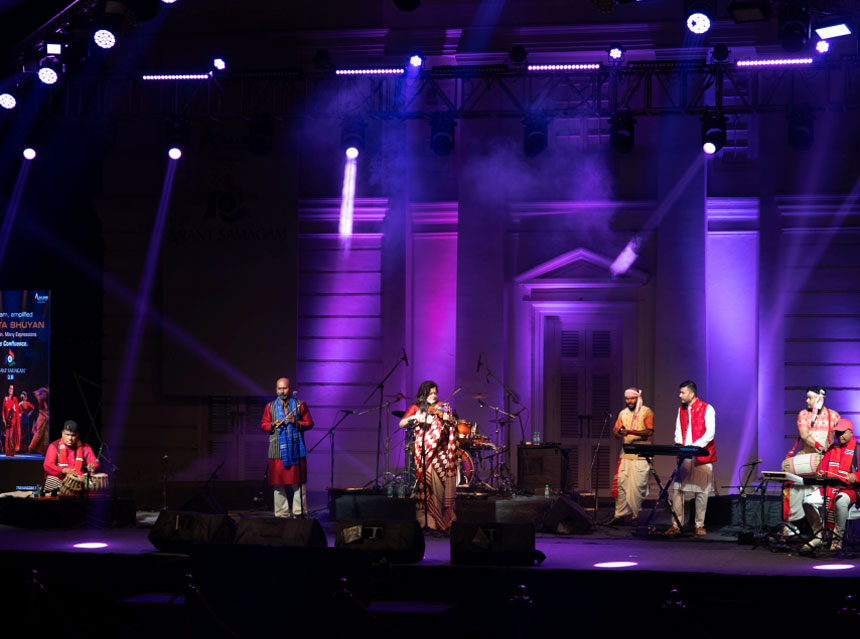
Internationally acclaimed violinist from Assam known for her fusion of Indian classical, Western classical and global contemporary music.
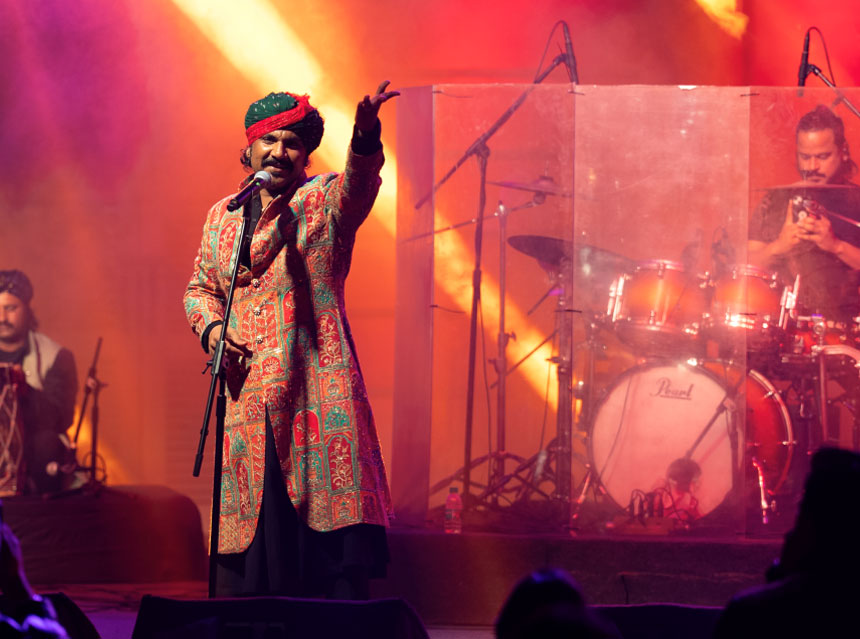
Celebrated Manganiyar vocalist carrying forward the rich musical heritage of Rajasthan's desert communities.
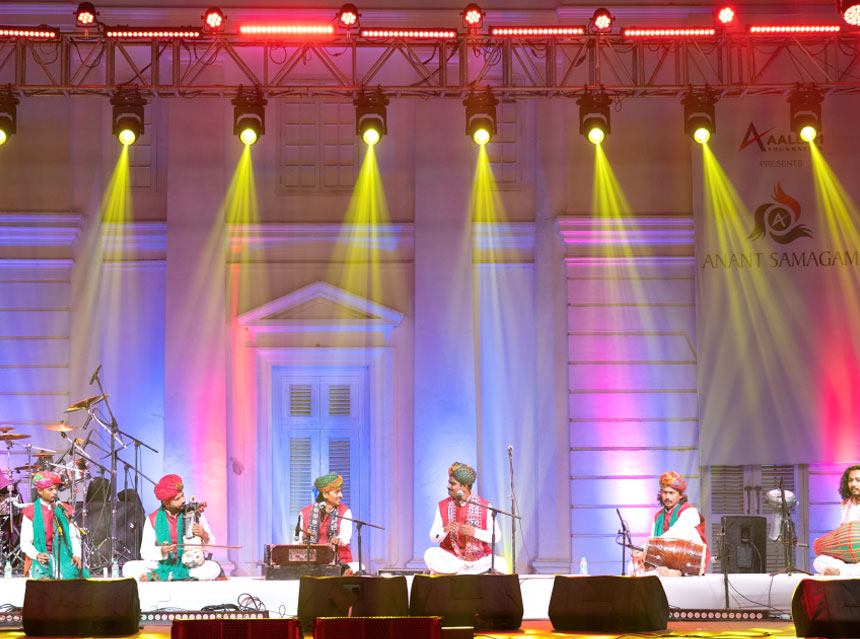
A Rajasthan-rooted ensemble exploring Hindustani classical and desert folk traditions through contemporary performance.
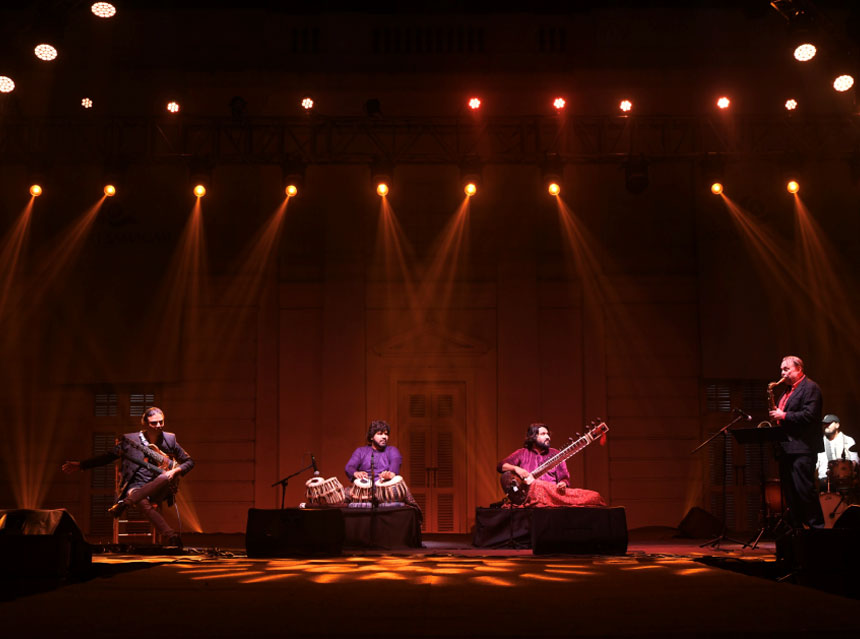
A high-energy ensemble led by tabla virtuoso Zuheb, where classical mastery meets contemporary rhythm and improvisation.
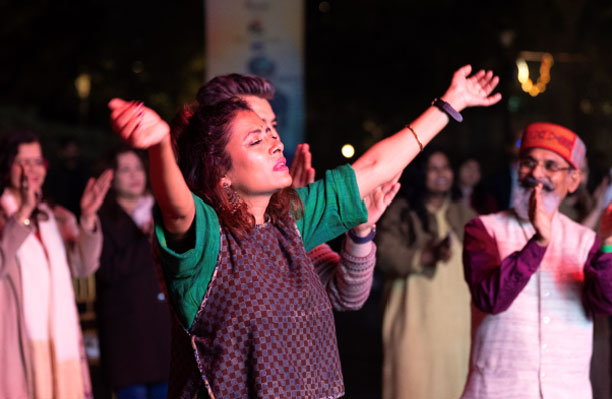
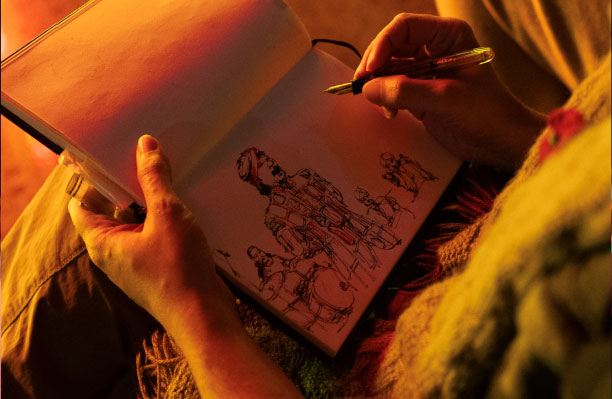
Additional moments from the performances that animated the chapter's musical landscape.
Anant Samagam’s dialogue series brought together artists, practitioners, scholars and industry leaders to examine culture as a living system — where craft,
memory, policy, and contemporary practice intersect.
Across conversations on textiles, artistic practice, food cultures and cultural continuity, the sessions explored how tradition survives not through preservation
alone, but through relevance and reinterpretation.
Laila Tyabji, in conversation with Navneet Mendiratta, reflected on how India’s craft traditions remain alive through skill, livelihood and contemporary relevance.
Watch Conversation →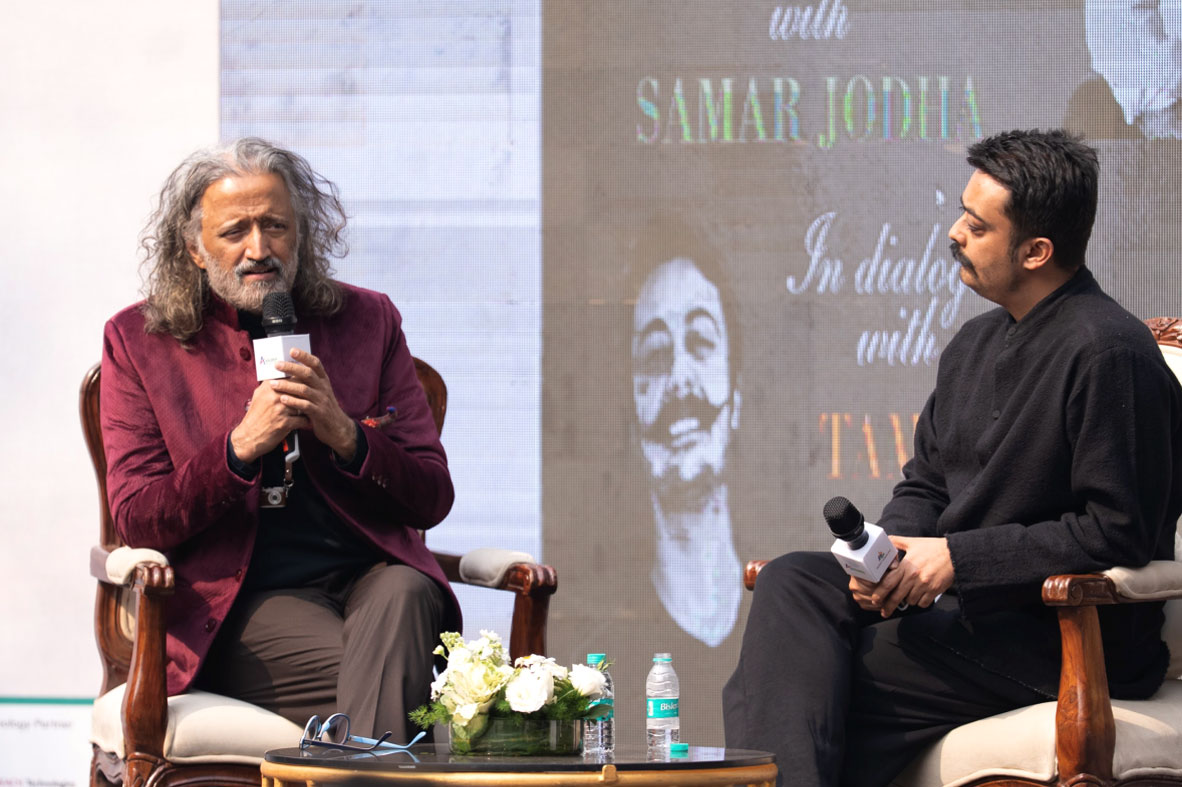
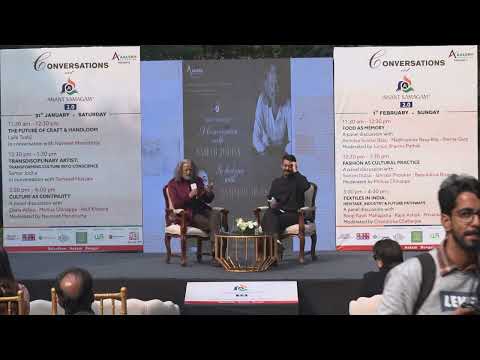
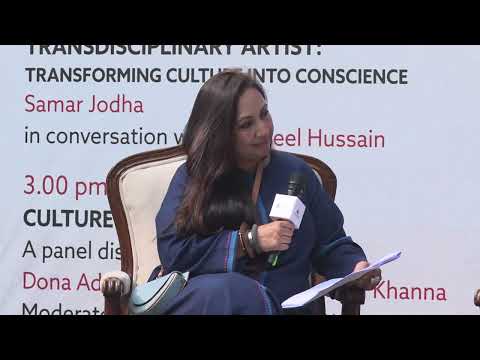
Samar Jodha in conversation with Tamseel Hussain Examining how artistic practice can question memory, power and representation within contemporary cultural discourse.
Watch Conversation →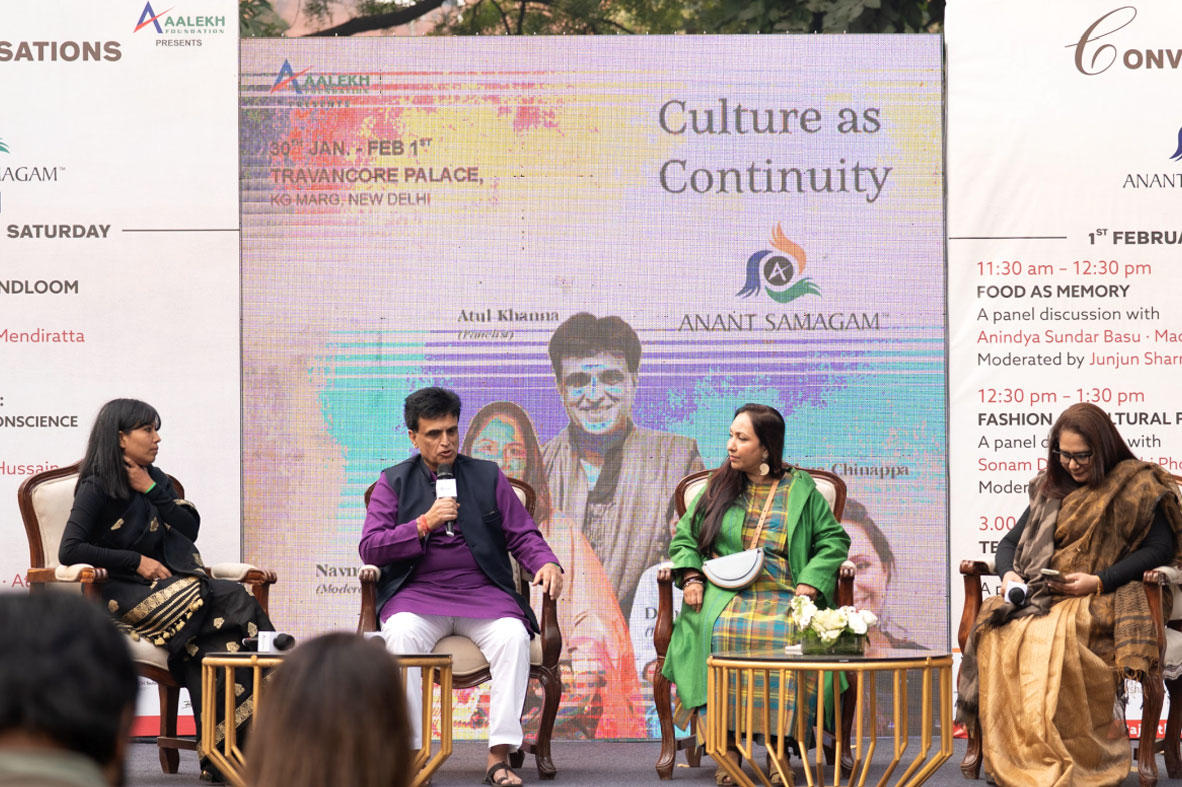
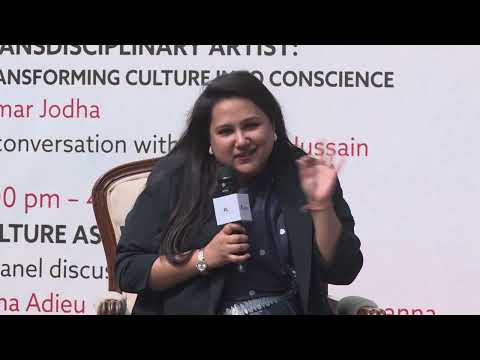
Atul Khanna, Mohua Chinappa and Dona Aideau, moderated by Navneet Mendiratta
Reflecting on how culture endures through interpretation, use and evolving relevance rather than preservation alone
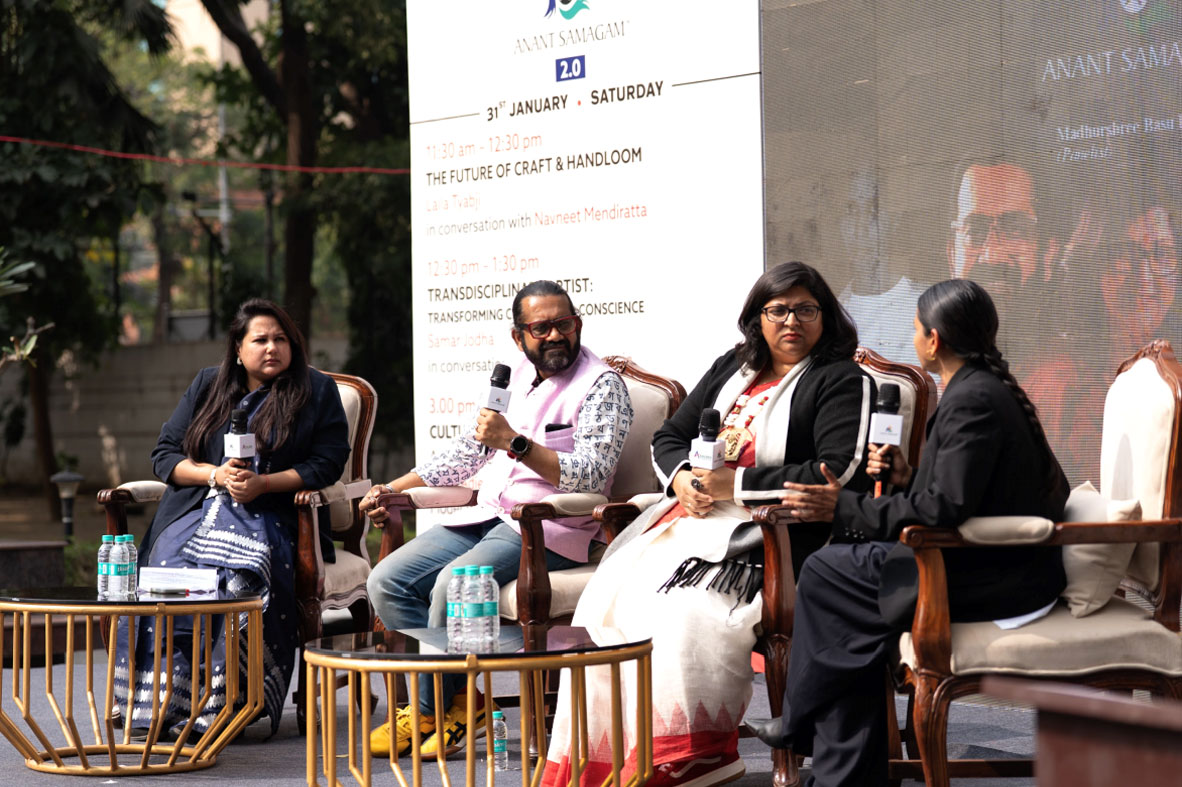
Anindya Sundar Basu, Madhushree Basu Roy and Prerna Garg,
moderated by Junjun Sharma Pathak
Exploring how food carries memory, ecology and community knowledge across
generations.
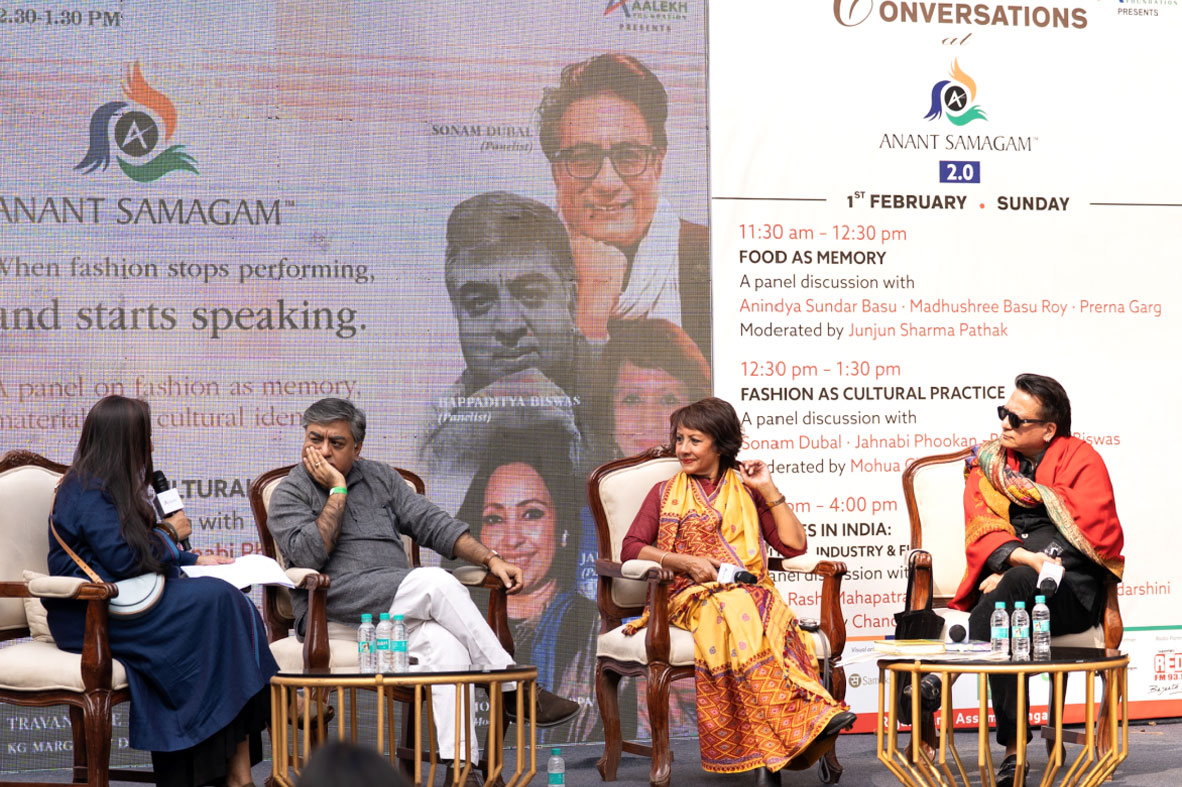
Sonam Dubal, Bappaditya Biswas and Jahnabi Phookan,
moderated by Mohua Chinappa
Exploring fashion as a cultural practice shaped by craft traditions, memory, labour and
regional identity.
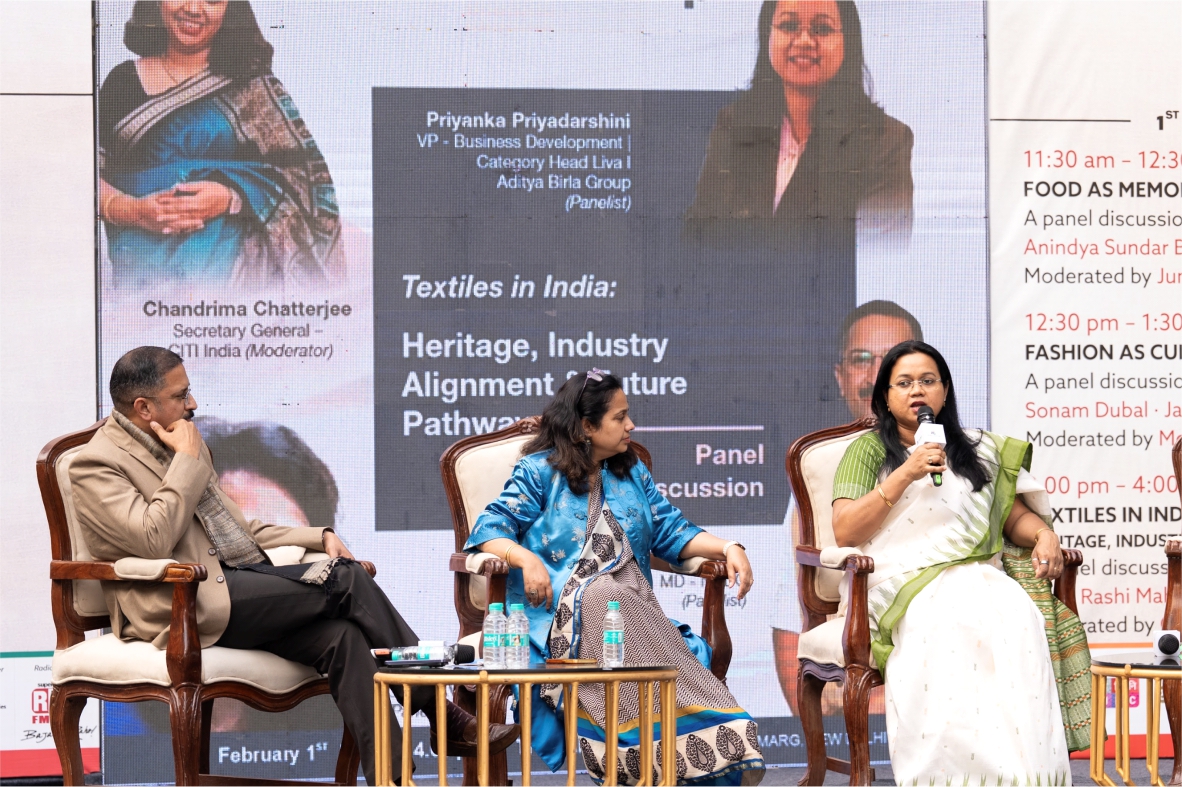
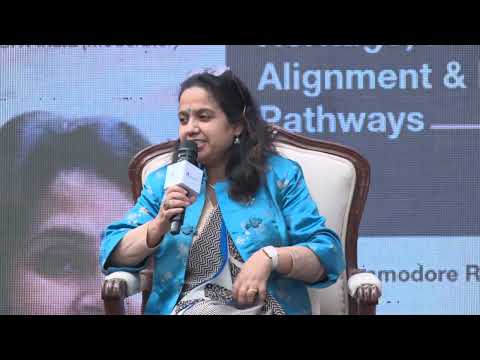
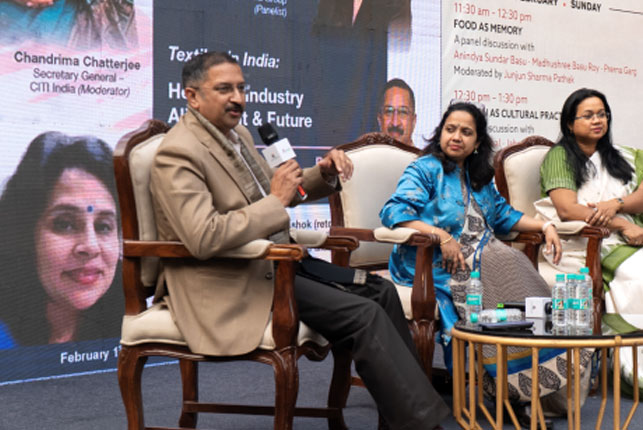
Chandrima Chatterjee, Commodore Rajiv Ashok and Priyanka Priyadarshini
Examining how India’s textile sector aligns heritage craft, policy frameworks and
industrial scale for future growth.
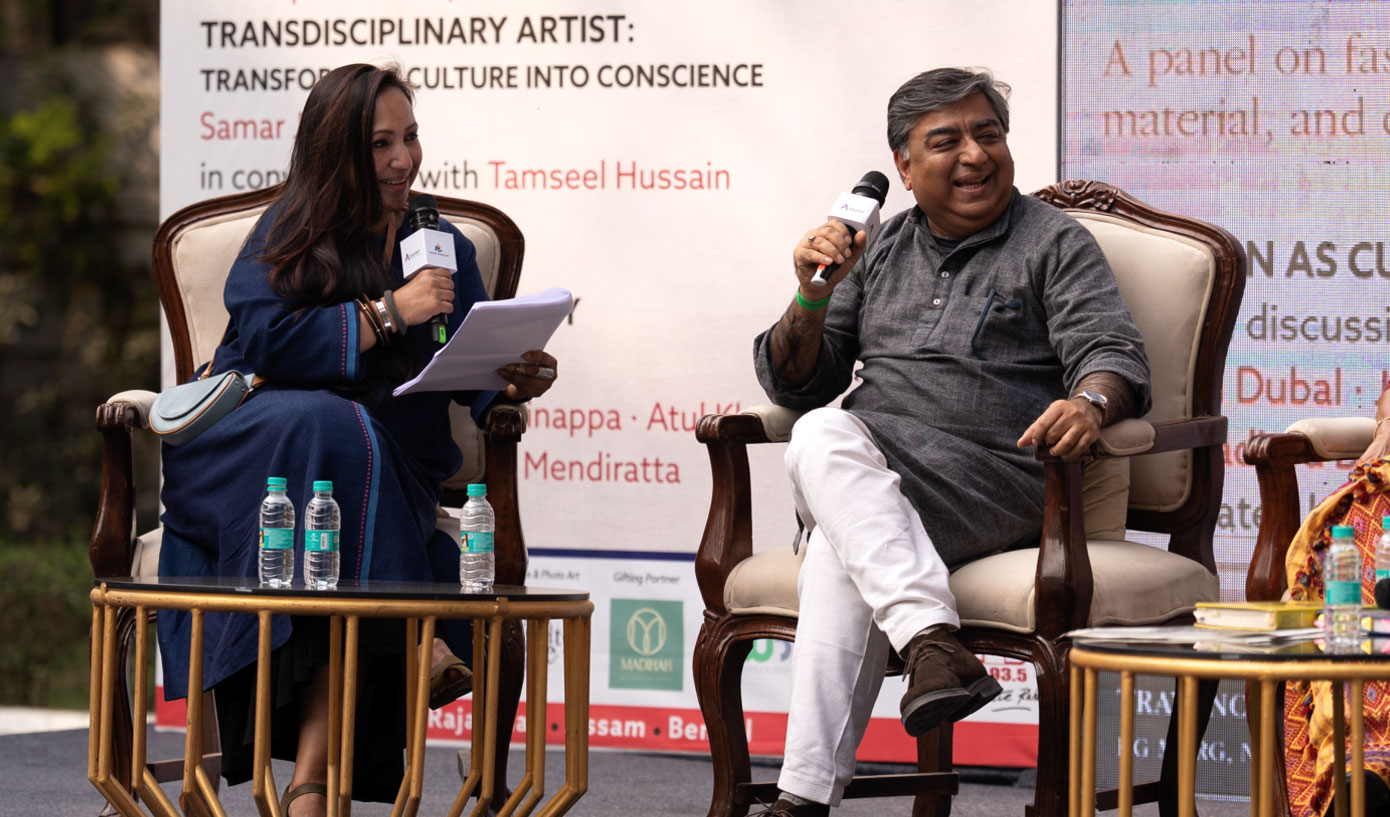
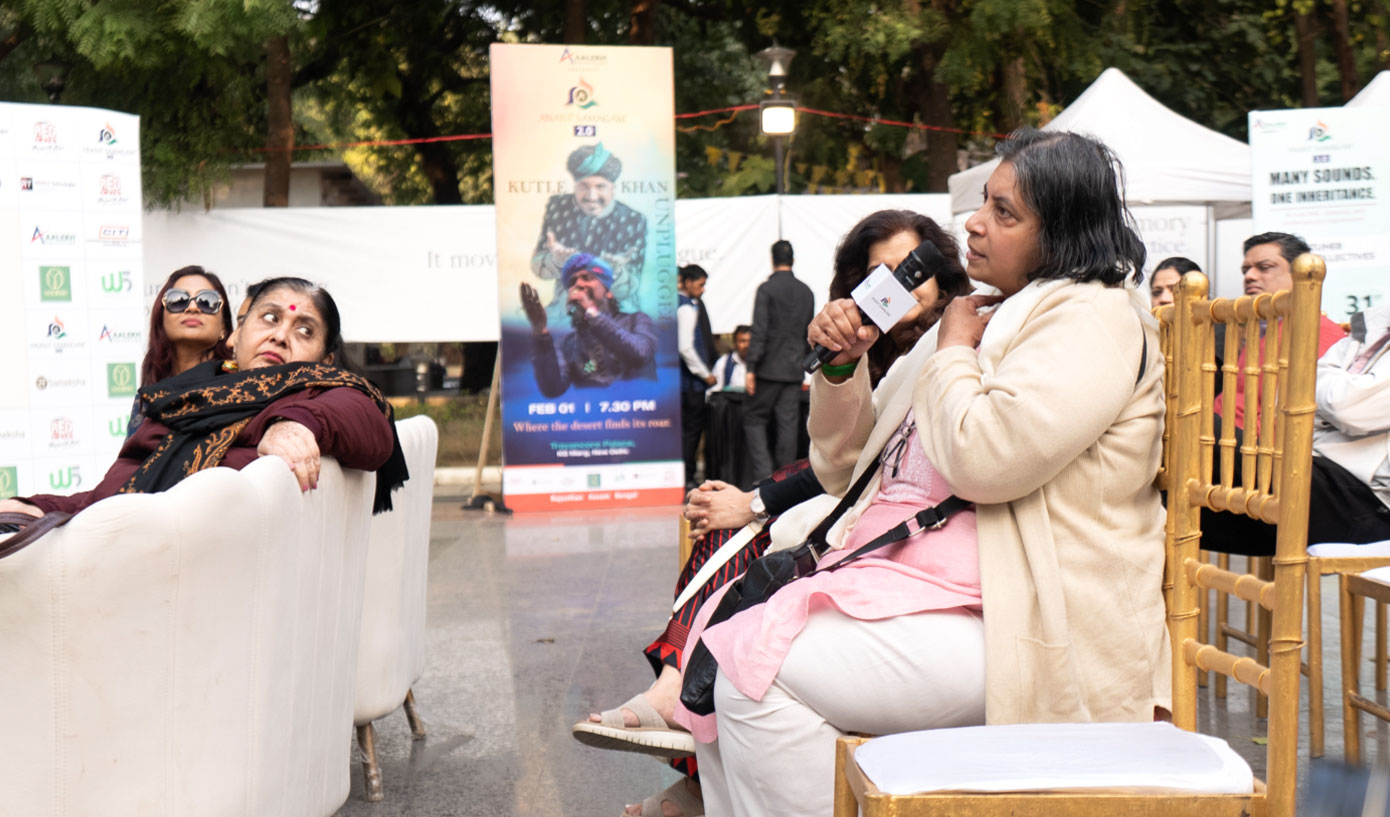
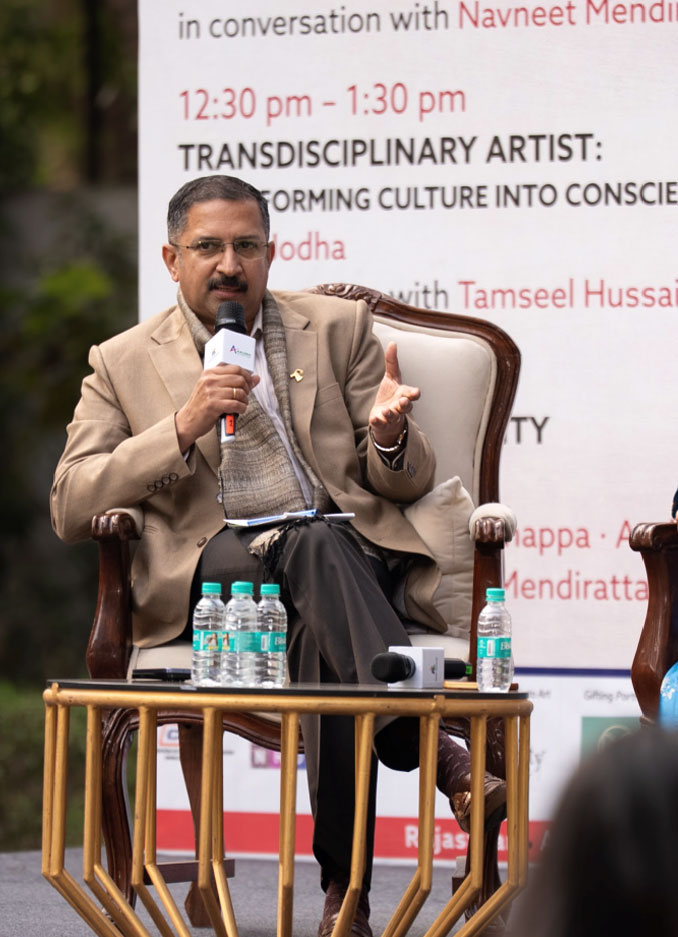
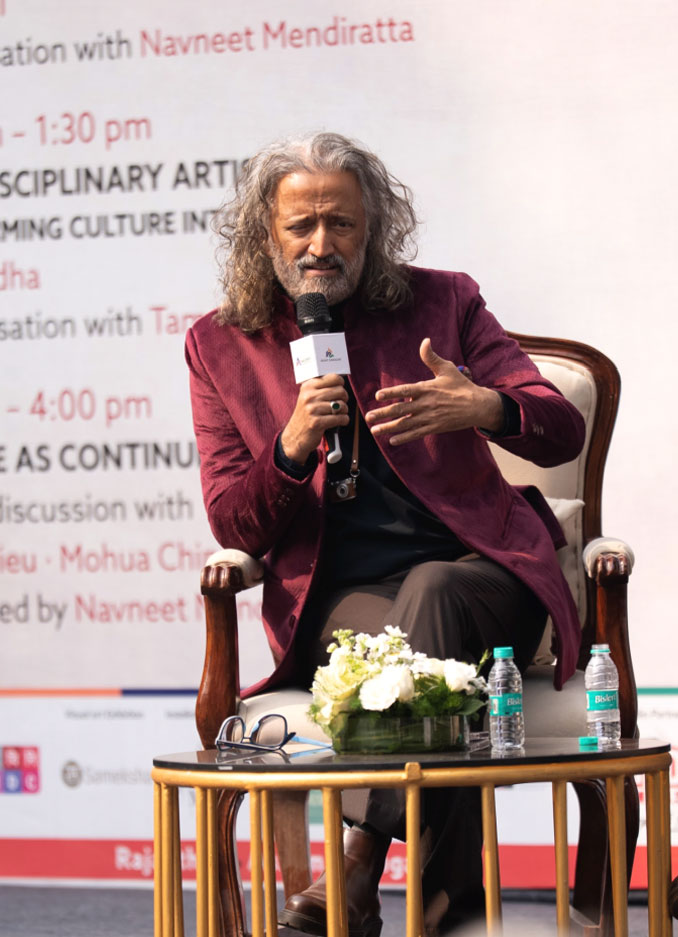
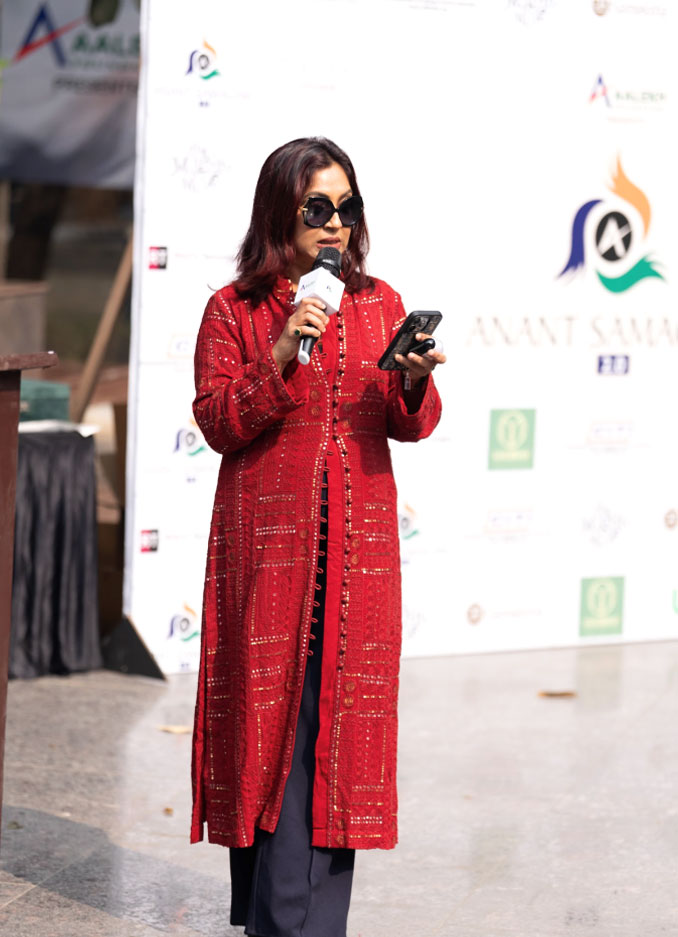
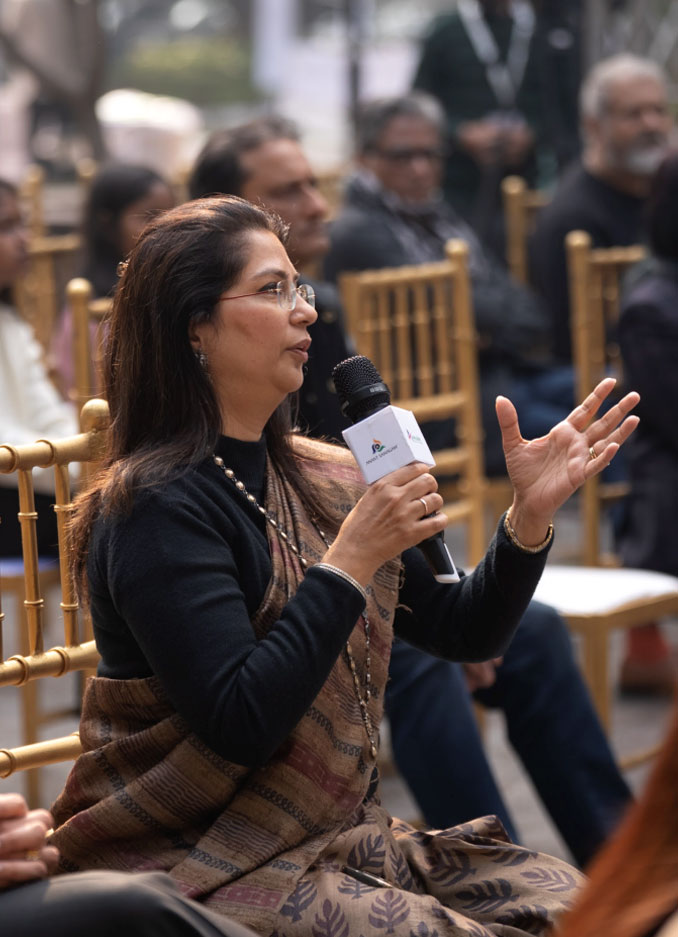
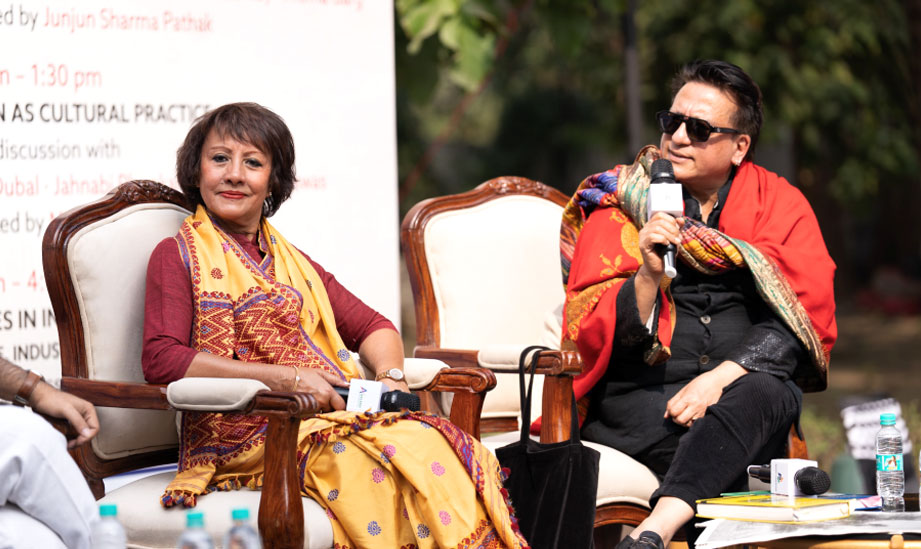
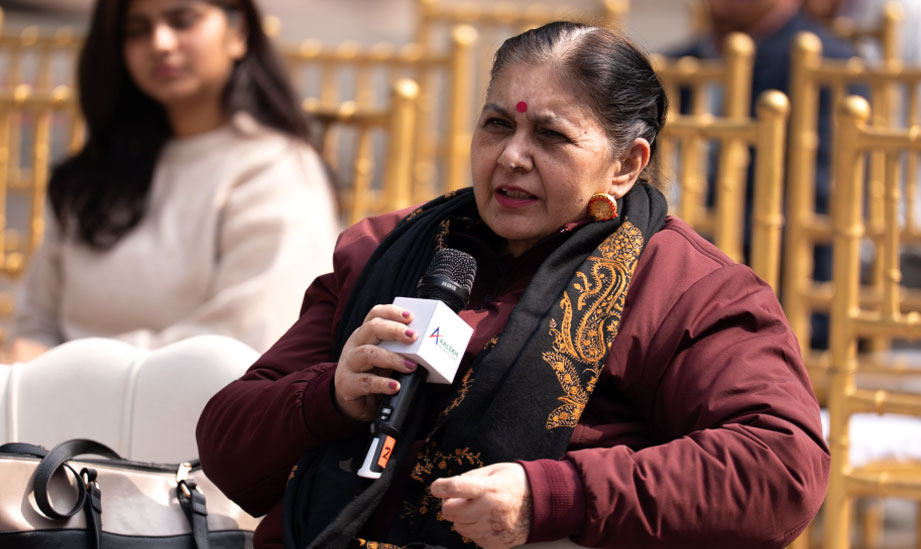
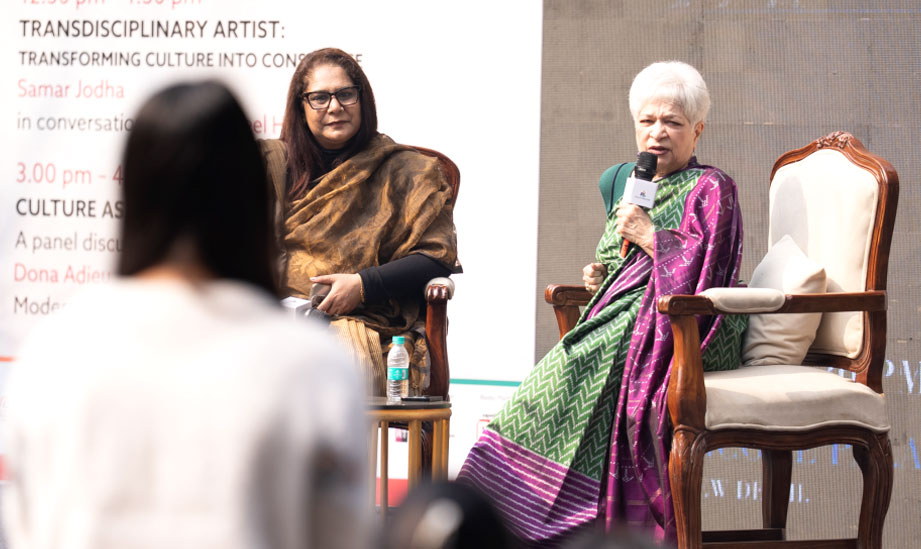
Dialogues at Anant Samagam extend the platform beyond exhibition — creating spaces where culture, policy, craft and contemporary practice meet in thoughtful exchange.
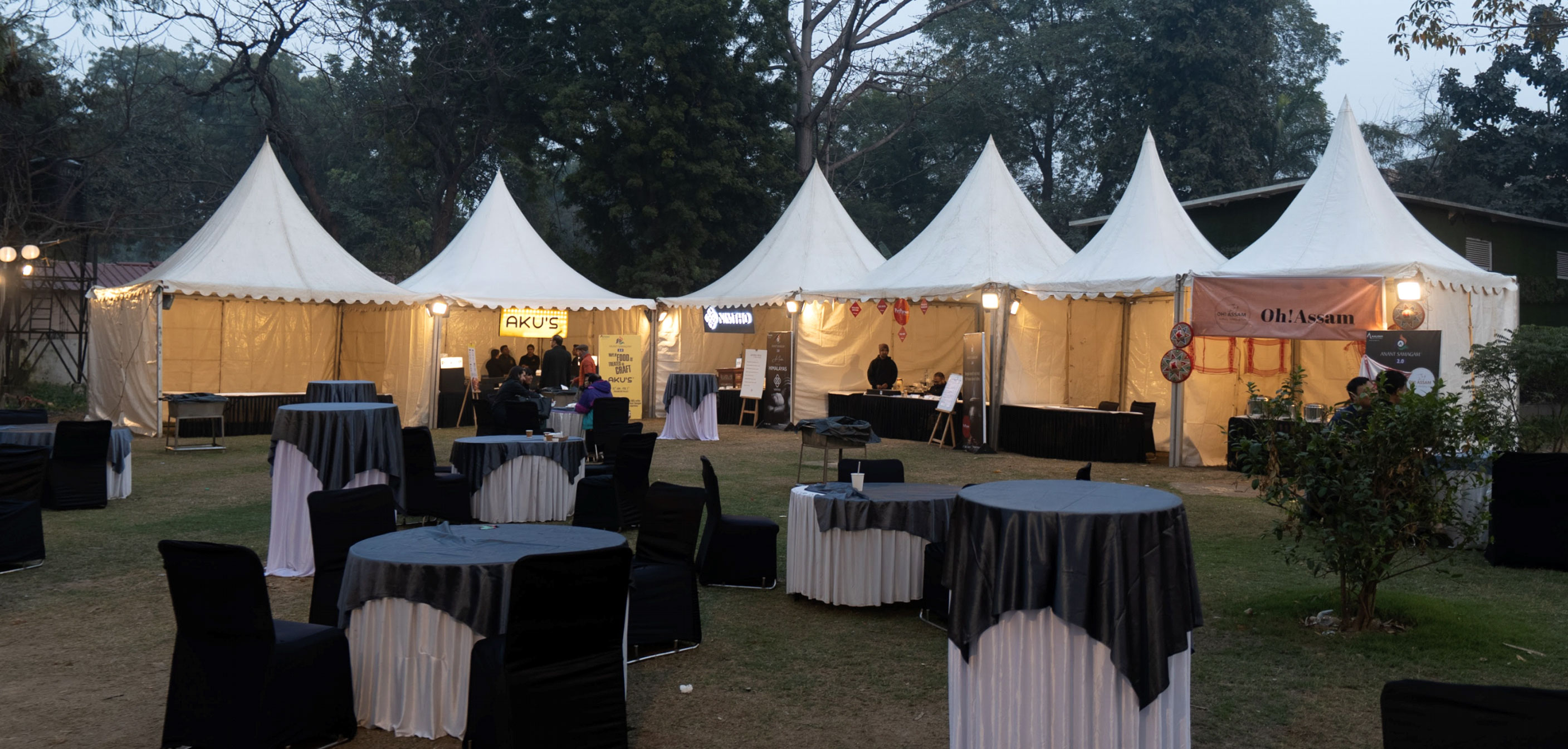
Alongside the exhibitions, performances and conversations, a small food courtyard formed part of the shared space at Anant Samagam.
Regional flavours from Assam, Bengal and the Himalayan region were presented through informal stalls bringing food into the festival as an everyday cultural experience rather than a curated spectacle.
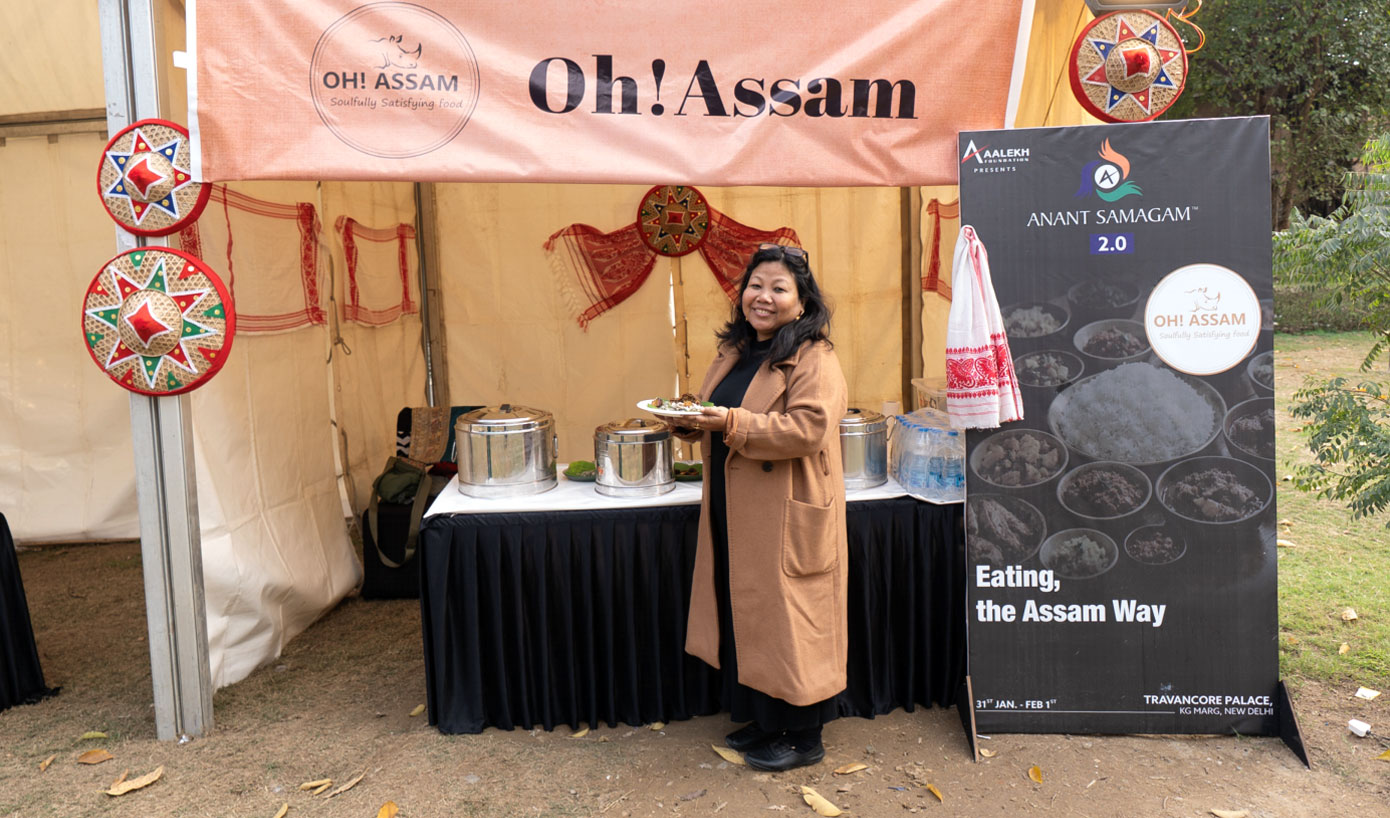
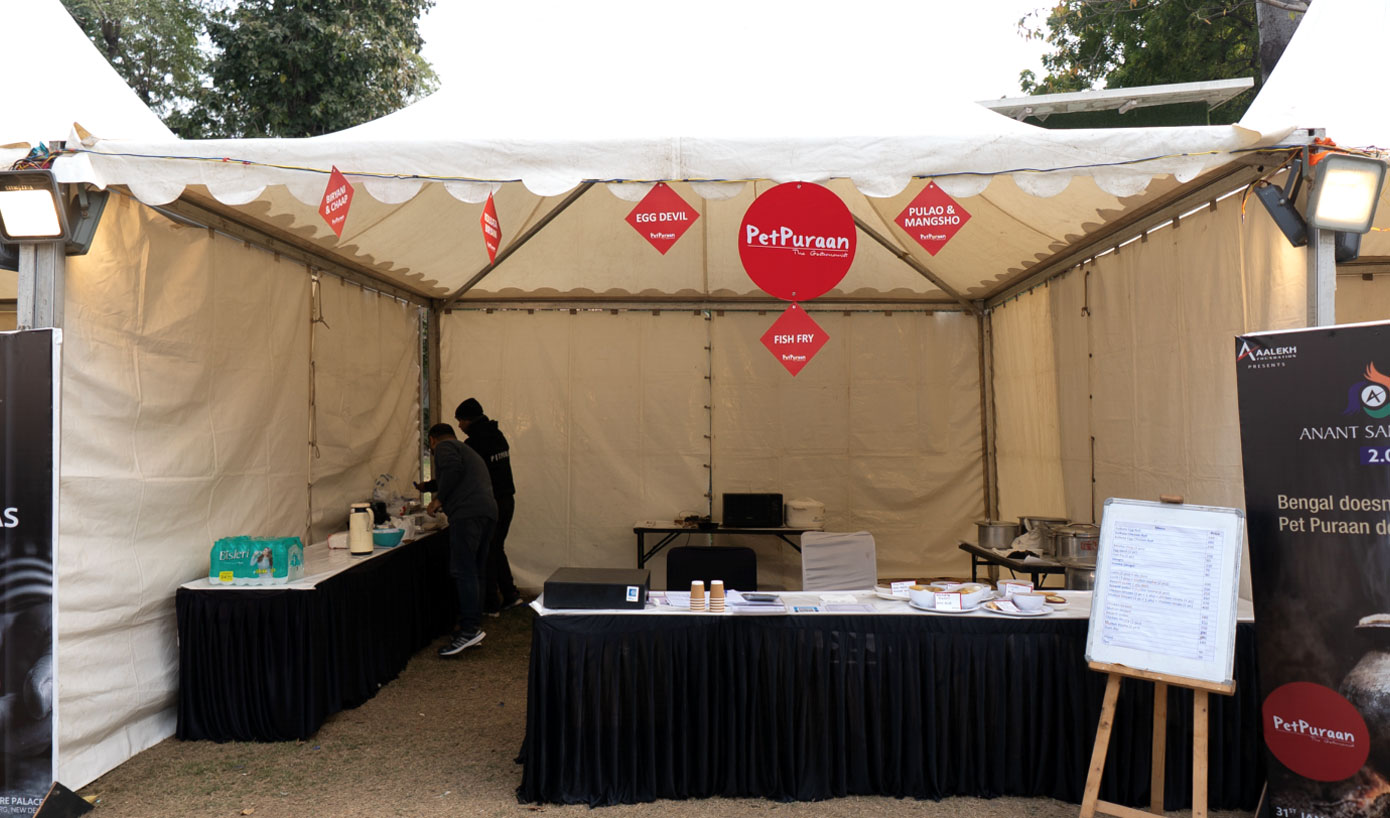
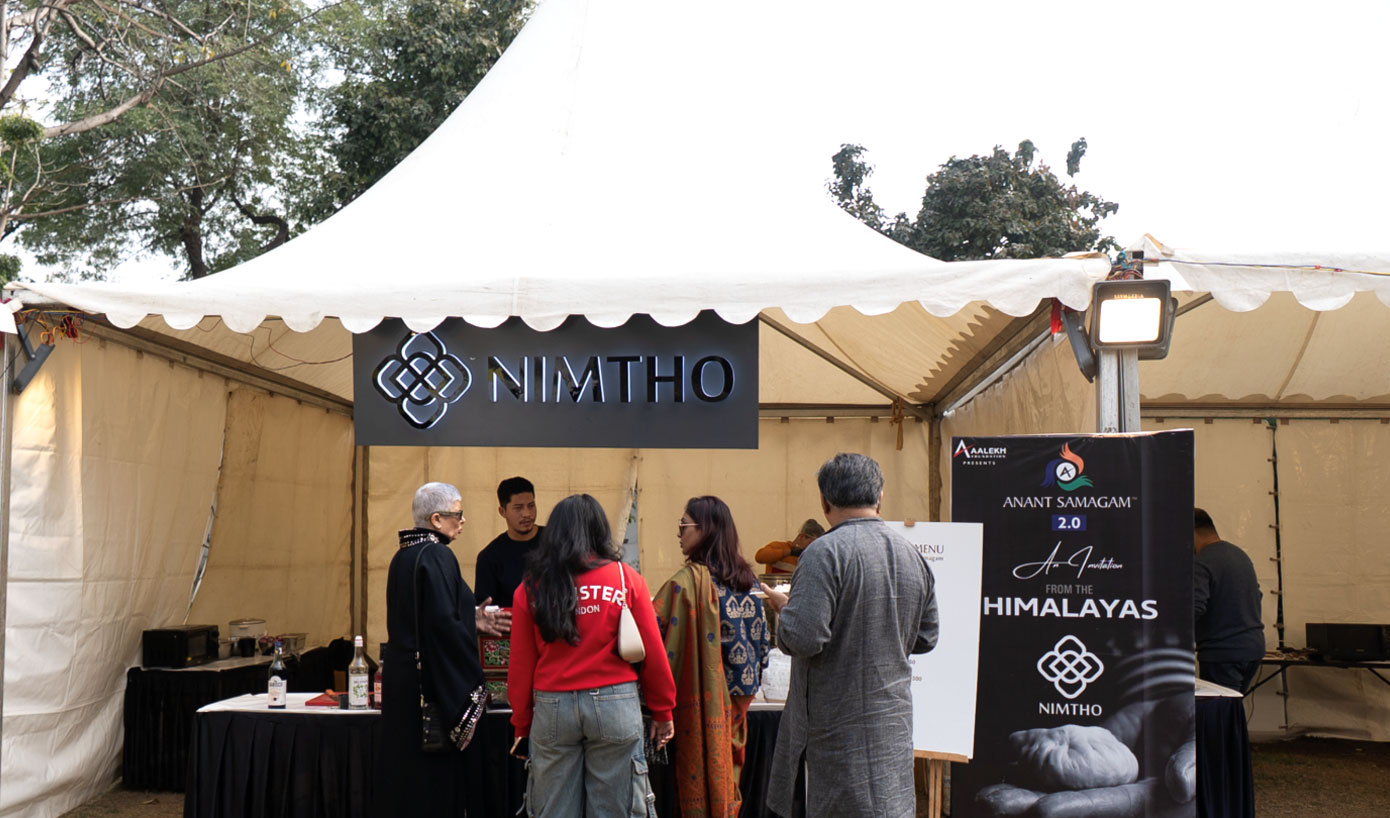
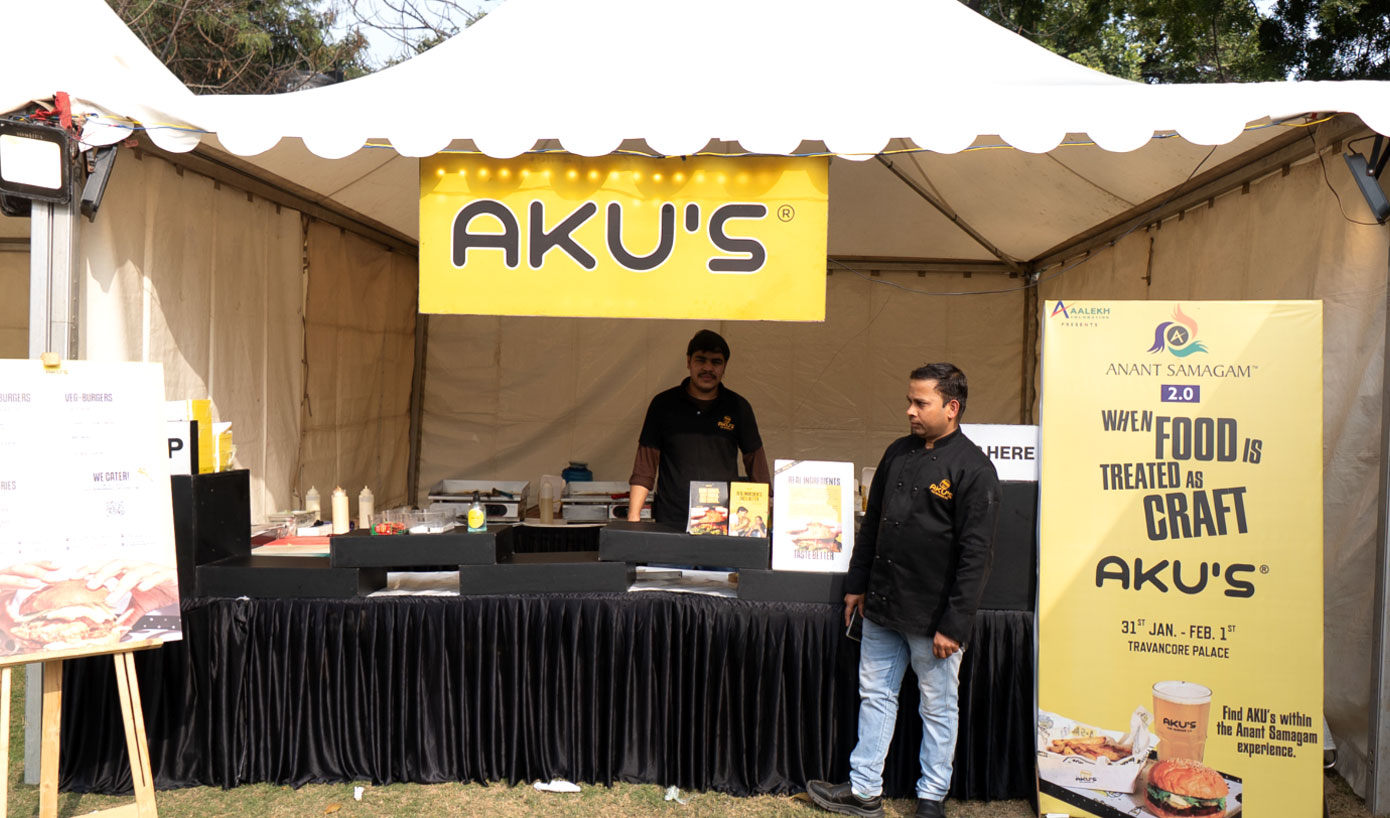
Food at Anant Samagam appeared through a small set of regional kitchens within the courtyard space.
Regional Kitchens
Oh! Assam Nimtho - Himalayan Kitchen Pet Puraan - Bengali Cuisine AKU's
Between conversations, exhibitions and performances, the courtyard became a place where people gathered, paused and shared food.
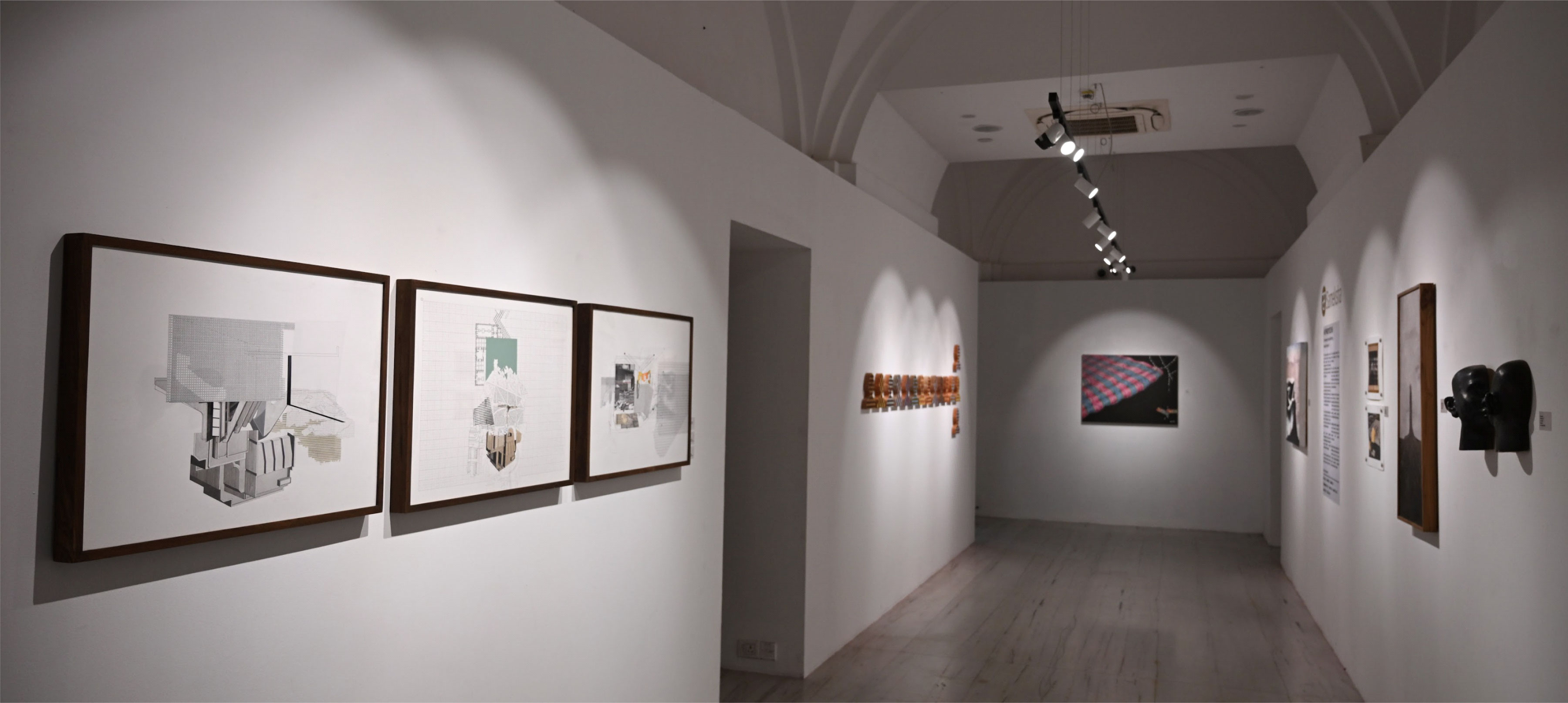
Anant Samagam 2.0 explored how cultural practices travel across landscapes and histories. By bringing together practitioners from Rajasthan, Bengal and Assam,
the chapter revealed how artistic traditions — whether in textile, music, image-making or craft — remain interconnected across regions.
The chapter reaffirmedFoundation’s larger vision: that culture is not a static inheritance, but a living system shaped through dialogue, practice and continuity.
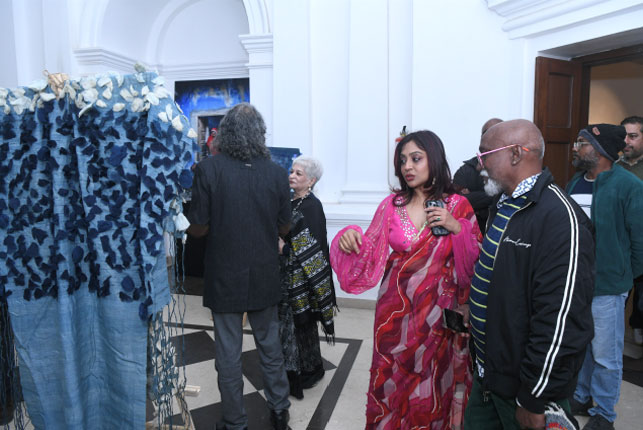
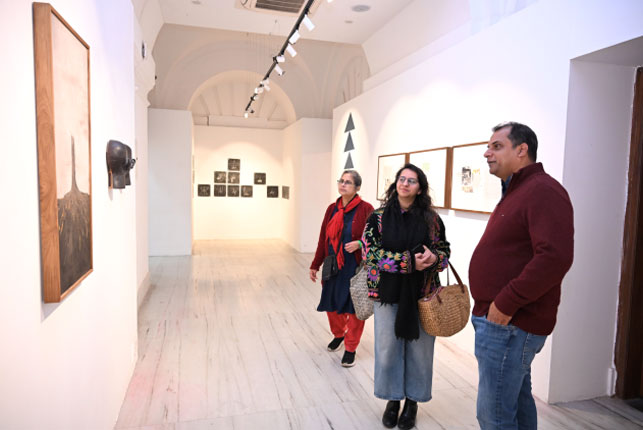
Moments from Anant Samagam 2.0 documenting the chapter across art, fashion, music, craft and dialogue.
Beyond the chapter, these practices continue across Aalekh’s wider cultural ecosystem.
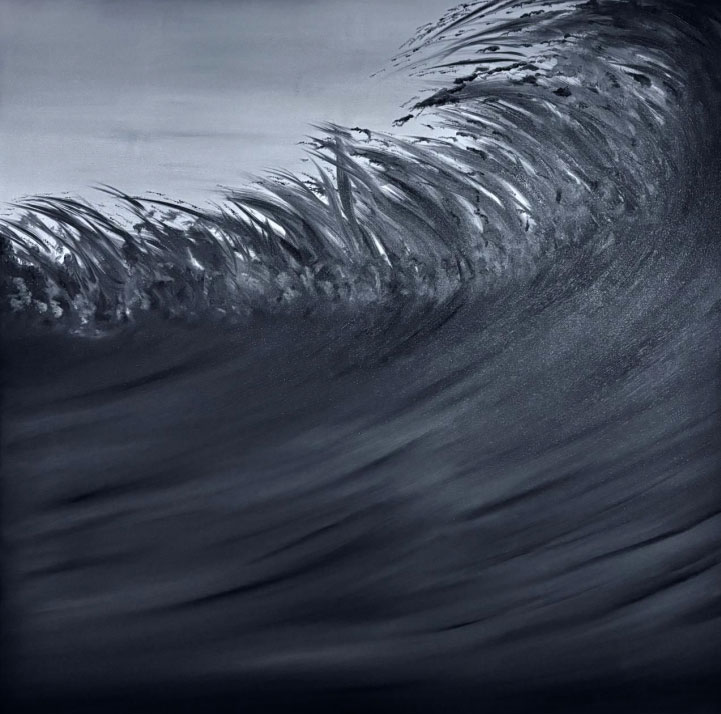
Not every story is loud. Some live in quiet greys.
A contemplative solo exhibition by Divyaman Singh exploring womanhood through memory, resilience and the many in-between spaces we inhabit.
March 26th – 28th, 2026
Sabha Gallery, Bengaluru
Conversations shaping contemporary cultural practice across regions and disciplines.
Textile & Industrial Policy Dialogue
Examining how heritage, policy and industry converge to shape India’s textile future.
Watch ConversationSamar Jodha in Conversation with Tamseel Hussain
A reflective dialogue on artistic responsibility, memory and the tension between aesthetics and accountability.
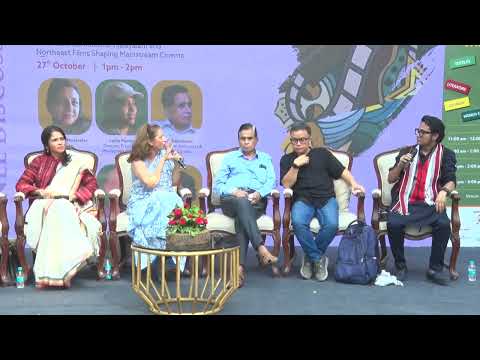
Watch ConversationMalayalam and Northeast films shaping mainstream cinema
Exploring how regional storytelling is redefining the language and direction of Indian cinema.
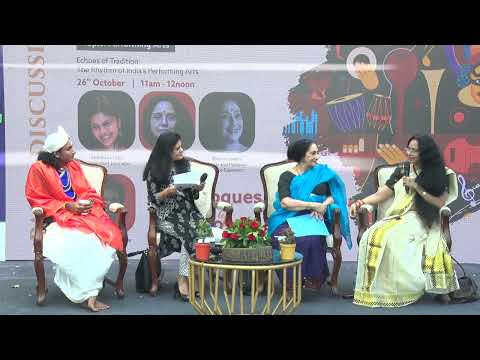
Watch ConversationThe Rhythm of India’s Performing Arts
Exploring how music, dance and performance sustain tradition as a living, evolving practice.
Watch ConversationFashion as memory, material and cultural identity
Exploring how fashion moves beyond spectacle to become a lived expression of memory, craft and identity.
Watch ConversationMemory, identity and cultural knowledge through food
Exploring how food carries memory, identity and tradition as a lived expression of culture.
Watch Conversation